Rejuran is one of the most talked about injectables in Asia. Some clinics report wait lists of several weeks for this PDRN skin booster. That level of demand raises a fair question. Is Rejuran really that special, or is it just strong marketing with a science gloss?
Interest in Rejuran has now spread beyond Korea and Singapore. Clinics in Europe and North America are adding it to treatment menus and promoting it as a healing filler alternative. Patients see before and after photos, hear claims about DNA repair, and expect near perfect skin. Reality is more complex.
This article takes a clear, practical look at Rejuran. It compares claims against current PDRN science, real clinical use, and known limits. The goal is simple. Help readers decide if this treatment deserves a place in a serious skin plan.
What Rejuran Actually Is, In Plain Terms
Rejuran is a brand of injectable PDRN skin booster. PDRN stands for polydeoxyribonucleotide. It is a chain of DNA fragments that come from salmon or trout.
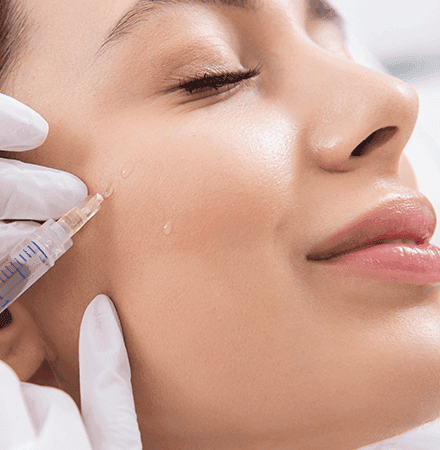
In Rejuran, these DNA fragments are purified, then suspended in a clear gel. That gel is injected into the skin in small amounts. The idea is not to fill lines like hyaluronic acid. The goal is to support repair, reduce inflammation, and improve texture over time.
Readers who want a deeper science review can study the broader PDRN complete guide. That article explains how PDRN signals cells, helps microcirculation, and supports tissue repair.
The key point is this. Rejuran is not magic DNA in a syringe. It is a specific commercial formula that uses one known regenerative ingredient, PDRN, in a controlled dose.
What The Science Actually Supports
Current evidence for Rejuran comes from several sources. There are clinical reports from Korean and Singapore clinics. There are also general PDRN studies that do not use the Rejuran brand name. These include trials for wound repair, post laser healing, and photoaging support.
One Singapore aesthetic doctor explains Rejuran protocols and results in detail in a public review of PDRN skin boosters. That review describes gradual improvement in texture, fine lines, and redness over several months, rather than sudden dramatic change. It also notes that swelling and small injection marks are common for a few days after each session, especially on thin skin areas, such as under the eyes. Readers can study that review here, in the article on PDRN skinboosters by Dr Rachel Ho.
Broader PDRN research shows several useful effects. Studies suggest better wound closure, improved microcirculation, and more balanced inflammation in treated skin. A separate clinical overview from a Singapore medical center reviews polynucleotide treatments and stresses that most benefits come from improved healing quality, not simple plumping. That review on fact versus myth in Rejuran treatment science notes that results tend to build slowly across sessions.
The strongest support exists for these outcomes.
- Faster recovery after controlled skin injury, such as lasers or microneedling
- Gradual texture improvement in fine lines and mild acne scars
- Better skin comfort in sensitive, redness prone faces
Results for deep wrinkles, heavy jowls, or large volume loss are far weaker. For those issues, PDRN acts more as support, not a full solution.
Readers who want a data based view of PDRN more broadly can review the article on PDRN efficacy and clinical data. That article explains how strong the current evidence is and where it still falls short.
How Rejuran Compares To Other PDRN Options
Rejuran is often described as the gold standard PDRN booster. That is partly true and partly brand power. The core ingredient, PDRN, is not unique to this product.
Other injectables and mesotherapy formulas also contain PDRN. Some combine it with hyaluronic acid or vitamins. Some are designed for body skin, hands, or scalp. One detailed guide on PDRN in aesthetic medicine explains how different formulations fit into treatment plans for aging, scars, and recovery. That guide on PDRN in aesthetic practice notes that the real difference between products is often dose, purity, and crosslinking, not magic new ingredients.
Rejuran does stand out in a few ways.
- It has strong brand recognition and training support for clinics.
- It uses a defined concentration of salmon DNA fragments.
- It has extensive practical use in Korea and Singapore, which means many injectors know its handling profile.
That said, PDRN itself is not owned by Rejuran. High quality alternatives can exist if they use real, well sourced PDRN and have solid safety testing.
What A Typical Rejuran Treatment Plan Looks Like
Rejuran is rarely a one time treatment. Most protocols follow a structured plan across several months.
Standard course in many clinics
- Four initial sessions, spaced three to four weeks apart
- Each session uses many small injections over the treatment area
- Maintenance sessions every six to twelve months, depending on age and skin status
In many cases, Rejuran is not used alone. Clinics pair it with lasers, microneedling, or light fillers. That pairing can improve both texture and volume. There is a full guide on combining PDRN with fillers safely that explains how injectors avoid overfilled, puffy results.
A Korean focused video review of Rejuran in the United States also shows real vials, discusses dose, and explains how clinics position it as a “skin quality” booster instead of a filler. That review, titled Rejuran, the most famous PDRN skin booster in Korea, can be seen on YouTube here. It is a useful look at how practitioners talk about the treatment in a practical setting.
Expected Results, Timeframe, And Limits
Rejuran is marketed with phrases like “baby skin injection”. That name creates very high expectations. Realistic results are more measured.
What patients most often notice
- Slight plumping of fine lines from mild water binding
- Smoother texture, especially around cheeks and lower face
- More even tone in redness prone skin
- A healthier, less “tired” surface look
Changes usually appear gradually. Many clinics report visible improvement after the second or third session, with continued gains up to three months after the last treatment. The effect is more about quality than dramatic change.
One key limit is that PDRN does not replace lost bone or fat. It cannot lift heavy jowls or deep folds alone. It works best for early to moderate aging, post acne texture, and mild laxity. For advanced sagging, it can support other treatments, such as threads or fillers, but it will not act as a main fix.
Readers interested in how PDRN supports sun damaged skin in particular can study the guide on PDRN for photoaging and sun damage. That article explains how PDRN helps repair UV related micro damage and why it pairs well with sunscreen and pigment control care.
Side Effects, Safety, And Who Should Avoid It
Rejuran has a good safety profile when used by trained medical staff. That does not mean it is risk free. It is still an injectable product that goes into living tissue.
Common short term effects include small raised bumps at each injection point. These can look like insect bites for 12 to 48 hours. Mild swelling and bruising are also normal, especially around the eyes and mouth.
Less common but more serious risks include infection, allergic reaction, and vascular issues if injected into the wrong layer. These are similar to other injectables and depend heavily on injector skill.
Some clinics and experts recommend caution in the following cases.
- Patients with fish or seafood allergies
- Individuals with active skin infection or severe acne in the area
- Patients with autoimmune disease, unless cleared by a specialist
A clinical article on Rejuran polynucleotide treatment from a Singapore clinic stresses that careful patient selection and clean technique are key for safe outcomes. That medical review on fact versus myth in Rejuran science notes that poor injection depth and rushed technique increase the chance of visible bumps and uneven texture.
Post treatment care also matters. A detailed article on PDRN aftercare for best results outlines simple but important rules. These include sun care, gentle cleansing, and avoiding harsh actives for several days.
Where Rejuran Fits Among Other Regenerative Options
Rejuran is not the only regenerative treatment in modern clinics. PRP, exosomes, biostimulatory fillers, and topical PDRN exist as well. Each tool has a slightly different role.
Topical PDRN, for example, offers a needle free option. Absorption is lower than with injections, but still meaningful when formulas are well designed. A guide on PDRN absorption and topical bioavailability reviews how much actually penetrates and how to improve that with support steps.
Compared with PRP, Rejuran offers a more standardized dose. PRP quality can change with patient health, diet, and even lab method. With Rejuran, each syringe has a fixed PDRN amount. That predictability is useful when clinics build protocols.
One aesthetic focused YouTube review describes Rejuran as a way to solve “overfilled faces” by improving skin quality instead of just adding volume. That video on Rejuran as a PDRN skin booster shows that many clinics now see it as a bridge between skincare and filler work.
Cost, Value, And When It Is Worth It
Rejuran treatments are not cheap. Cost varies by country and clinic, but many patients pay a premium price for each session. Since full results usually need several sessions, total cost can be significant.
For patients with mild texture issues, early fine lines, or long term redness, that cost can be justified if they value gradual, natural change. For patients with deep folds or heavy sagging, budget might be better spent on fillers, threads, or surgery, with PDRN as a secondary support.
From a value view, Rejuran makes the most sense when.
- The injector has real experience with PDRN and clear before and after photos
- The patient accepts a slow, subtle result over several months
- The plan includes strong sunscreen, home care, and maintenance
Clinics that invest in proper PDRN training and certification tend to deliver more consistent Rejuran outcomes. The article on PDRN training courses for practitioners explains why structured education matters for injection depth, pattern, and complication handling.
So, Is Rejuran Worth The Hype?
Rejuran deserves respect, but not worship. The product sits on real PDRN science, solid clinical experience, and clear benefits for texture, redness, and skin recovery. Results are usually soft and natural, not dramatic and instant.
For patients who understand that, Rejuran can be a strong tool. It is especially useful for early aging, sensitive skin, and post procedure support. For those who want a single session miracle, or who have advanced sagging, it will likely feel underwhelming.
The smartest use of Rejuran is as part of a full plan. That plan might include pigment control, sun care, gentle actives, and other in clinic work. Readers who want to see how PDRN supports brightness and dull skin can review the article on PDRN for skin brightening and glow. That kind of layered approach usually creates better long term change than any single syringe.
The final test is simple. If the treating clinic can explain exactly why Rejuran is being used, what outcome is realistic in six months, and how it fits with other tools, then it is likely being used well. If it is presented as a cure all, with no clear plan, then the hype is speaking louder than the science.