

Wound healing takes time. Sometimes too much time. When skin gets damaged from surgery, burns, or chronic wounds, the body’s natural repair process can stall or slow down significantly. PDRN (polydeoxyribonucleotide) changes that timeline by working directly with cells to speed up every stage of recovery.
This isn’t about covering up damage. PDRN actually helps tissue rebuild itself faster and more completely. Medical research shows it works through specific biological pathways that control how cells grow, move, and create new tissue. The results matter for patients dealing with difficult wounds that won’t close properly.
What PDRN Does at the Cellular Level
PDRN works by binding to adenosine A2A receptors on cell surfaces. These receptors control inflammation and tissue repair. When PDRN activates them, cells start behaving differently. Fibroblasts (the cells that make collagen) multiply faster. Blood vessels form more quickly to bring oxygen and nutrients to damaged areas.
The molecule itself comes from purified DNA fragments. Most medical-grade PDRN gets extracted from salmon or trout DNA because the structure closely matches human DNA patterns. After extraction and purification, what remains are short chains of nucleotides that the body recognizes and uses.
But here’s what makes it effective. PDRN doesn’t just stimulate one part of healing. It affects multiple stages:
- Inflammation control - reduces excessive swelling that delays repair
- Cell growth - speeds up fibroblast and keratinocyte multiplication
- Blood vessel formation - promotes angiogenesis for better tissue nutrition
These combined effects mean wounds move through healing phases faster than they would naturally. Studies on PDRN’s role in tissue repair show it reduces healing time across different wound types.
The Four Stages PDRN Improves
Wound healing happens in stages. PDRN enhances each one.
Hemostasis and Inflammation
Right after injury, blood clots form and inflammation starts. Too much inflammation causes problems. PDRN helps balance this response by modulating inflammatory signals. It doesn’t stop inflammation completely (you need some for proper healing), but it prevents the excessive swelling and tissue damage that comes from overactive immune responses.
Proliferation Phase
This is where most visible healing happens. New tissue forms, wounds start closing, and blood vessels grow into the damaged area. PDRN significantly accelerates this stage. Fibroblasts produce more collagen when exposed to PDRN. The treatment also promotes epithelialization, which is how skin cells migrate across a wound to close it.
Research demonstrates PDRN increases growth factor production during this phase. Vascular endothelial growth factor (VEGF) levels rise, creating more blood vessels. More blood vessels mean better oxygen delivery and faster tissue formation.
Remodeling and Maturation
After a wound closes, tissue continues changing for months. Collagen fibers reorganize, scars fade, and strength improves. PDRN supports this long-term remodeling by helping produce organized collagen structures rather than disorganized scar tissue.
The difference shows up in scar quality. Wounds treated with PDRN often heal with less noticeable scarring because the collagen laid down during repair is better organized from the start.
Clinical Applications for Different Wound Types
Doctors use PDRN for various wound situations. Each application takes advantage of how the treatment speeds cellular processes.
Diabetic ulcers respond particularly well. These wounds struggle to heal because diabetes damages blood vessels and reduces circulation. PDRN’s ability to promote new blood vessel growth makes it valuable for diabetic foot ulcers and other chronic diabetic wounds. Patients who weren’t seeing progress with standard care often show improvement when PDRN gets added to their treatment protocol.
Post-surgical wounds heal faster with PDRN treatment. Surgeons sometimes use it after procedures where tissue quality is poor or healing might be compromised. The treatment can be injected around surgical sites or applied topically depending on the wound location and severity.
Burn injuries benefit from PDRN’s tissue regeneration properties. Burns destroy multiple skin layers, and recovery requires extensive new tissue formation. PDRN accelerates this regeneration and may reduce scarring severity. For more on how PDRN works in aesthetic medicine contexts, practitioners can reference PDRN’s broader applications in aesthetic treatments.
How Treatment Gets Administered
PDRN comes in injectable and topical forms. Which one gets used depends on wound depth and location.
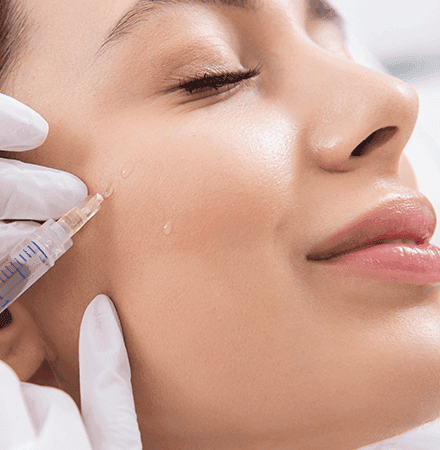
Injectable PDRN goes directly into or around damaged tissue. Doctors typically use multiple small injections distributed across the wound area. Treatment frequency varies, but many protocols involve weekly sessions for several weeks. The injectable form delivers higher concentrations directly to cells that need it most.
Topical PDRN works for surface wounds and skin damage. Absorption through intact skin is limited (as discussed in maximizing PDRN absorption), so topical forms work best on open wounds or when combined with procedures that increase skin permeability like microneedling.
Some practitioners combine PDRN with other treatments. PDRN with microneedling creates channels that help the molecule penetrate deeper. This combination approach can be effective for both wound healing and skin rejuvenation goals.
What Research Shows About Effectiveness
Clinical studies on PDRN demonstrate measurable improvements in healing rates. Wound closure happens faster. Tissue quality improves. Pain levels often decrease during treatment.
One significant finding: PDRN seems to work even when other treatments have failed. Chronic wounds that remained open despite standard care protocols showed improvement after adding PDRN therapy. This suggests the treatment addresses underlying cellular dysfunction that prevents normal healing.
The evidence isn’t just about speed. Healed tissue quality matters too. Scars that form after PDRN treatment tend to be softer, flatter, and less pigmented than scars from untreated wounds. This happens because PDRN influences how collagen gets organized during the repair process.
Safety Profile and Considerations
PDRN has a strong safety record. Because the molecular structure resembles human DNA, the body tolerates it well. Serious adverse reactions are rare. Most side effects are mild and temporary (slight swelling or redness at injection sites).
Still, proper treatment requires medical supervision. Dosing, injection technique, and treatment timing all affect outcomes. Practitioners need training on appropriate protocols for different wound types. Resources like PDRN training and certification programs help ensure providers understand proper application methods.
Patients with certain conditions need special consideration. Anyone with active infections at the wound site should resolve those before starting PDRN treatment. People with known allergies to fish products might react to salmon-derived PDRN, though purification processes remove most allergenic proteins.
Beyond Basic Wound Care
PDRN’s regenerative properties extend past simple wound closure. The same mechanisms that speed healing also improve overall tissue quality. This has implications for treating sun damage, aging skin, and other conditions where cellular function has declined.
For example, PDRN’s effects on photoaging show how the treatment can reverse some UV-related damage. The tissue regeneration it promotes works on both acute wounds and chronic skin damage. Similarly, PDRN treatments for hyperpigmentation leverage its ability to promote healthy new tissue formation.
Some practitioners use PDRN for hand rejuvenation and other body areas where skin quality has deteriorated. The logic is straightforward: if PDRN helps damaged tissue rebuild itself after injury, it should help aging tissue regenerate too. Protocols for hand treatments adapt wound healing approaches to cosmetic applications.
What Patients Should Know
Healing timelines vary. Some wounds respond quickly to PDRN treatment, showing visible improvement within days. Others take weeks to demonstrate significant progress. Chronic wounds that have been present for months or years need patience. The treatment accelerates healing, but it doesn’t make damaged tissue recover overnight.
Cost and availability differ by location. PDRN treatment isn’t always covered by insurance, though coverage improves when used for medical wounds rather than cosmetic purposes. Patients should discuss costs upfront and understand how many sessions their specific condition might require.
Results depend partly on overall health. PDRN works better when patients also address underlying factors affecting wound healing. Good nutrition, blood sugar control (for diabetics), smoking cessation, and proper wound care all matter. PDRN enhances the body’s natural healing capacity, but it can’t overcome severe systemic health problems alone.
Moving Forward with PDRN Treatment
PDRN represents a significant advance in wound care. By working through natural cellular pathways, it speeds healing without introducing foreign substances that might cause rejection or complications. The treatment activates existing repair mechanisms that have slowed down or stalled.
Research continues expanding understanding of optimal protocols. Questions remain about ideal dosing, treatment frequency, and which patients benefit most. But current evidence strongly supports PDRN’s effectiveness for accelerating tissue repair across multiple wound types.
For patients struggling with wounds that won’t heal properly, PDRN offers a scientifically grounded option. It works with the body’s natural processes to restore damaged tissue faster and more completely than many conventional treatments alone can achieve.