

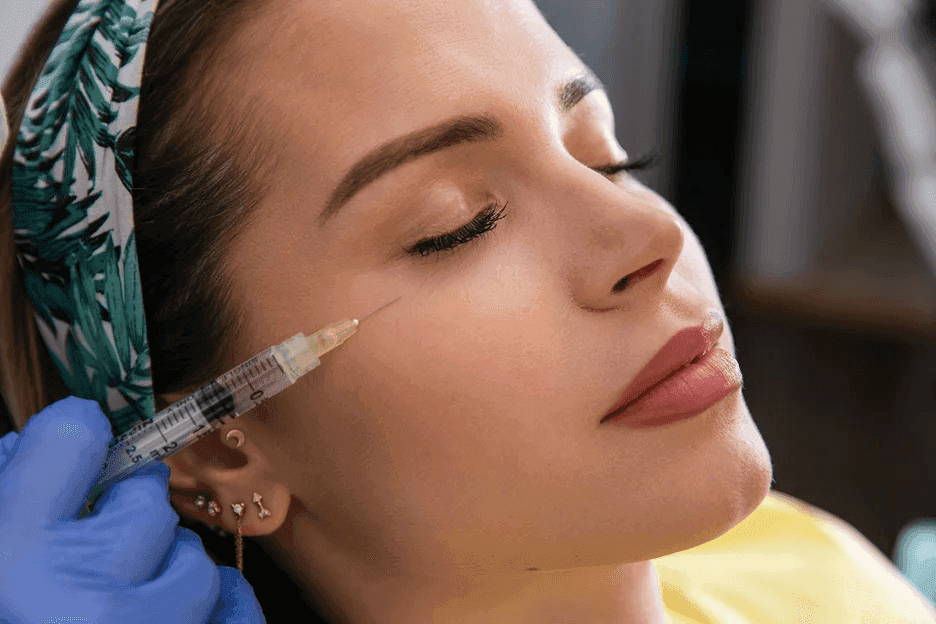
Doctors are changing how they use PDRN. Instead of big injections, they’re using tiny amounts.
The technique is called microdosing. It means putting small doses in exact spots. This method works better for certain problems.
Why does this matter? Because not every skin issue needs the same treatment. Some areas need gentle care. Others need deeper work.
Microdosing gives doctors more control. They can treat specific spots without affecting nearby skin. The results look more natural.
What Makes Microdosing Different
Traditional PDRN treatments use larger amounts. Doctors inject deeper into the skin.
Microdosing works at the surface. Each injection contains less product. But doctors use more injection points.
Think of it like watering a garden. Big treatments are like using a hose. Microdosing is like using a spray bottle on each plant.
The tiny doses spread evenly across the treatment area. This creates consistent results. No lumps or bumps.
Most patients notice less swelling with this method. Recovery time gets shorter too.
According to research, PDRN molecules work through adenosine receptors in skin cells. Smaller doses can still trigger healing responses.
Best Areas for Microdosing
Some spots respond better to this technique.
The under-eye area needs gentle treatment. The skin there is super thin. Big injections can cause problems. Microdosing works better here.
Lips and around the mouth also benefit. These areas move constantly. Smaller doses prevent lumps when you talk or smile.
Hands show age quickly. PDRN for hand rejuvenation works well with microdosing. The thin skin absorbs treatment evenly.
Neck and chest skin is delicate. Microdosing prevents the heavy look that bigger treatments can create.
How Doctors Perform Microdosing
The process takes planning. Doctors mark treatment zones on the skin first.
They use special needles. These are thinner than regular injection needles. The tiny size causes less pain.
Injection depth matters a lot. Most microdosing stays in the upper skin layers. That’s about 2-3 millimeters deep.
Spacing is important too. Doctors place injections close together. Usually about 5 millimeters apart.
Each injection point gets very little product. Maybe 0.05 to 0.1 milliliters. Compare this to traditional injections of 0.5 milliliters or more.
Studies show that PDRN stimulates collagen production even at lower doses. The key is reaching enough treatment points.
Combining Microdosing with Other Treatments
Doctors often pair PDRN microdosing with other procedures.
Microneedling works really well with it. The needles create tiny channels. PDRN enters through these openings. Managing expectations with PDRN and microneedling helps patients understand timing.
Some clinics use microdosing after laser treatments. The PDRN helps skin heal faster from laser damage.
Combining PDRN with fillers requires careful timing. Usually doctors wait two weeks between treatments.
The combination approach can fix multiple problems at once:
- Fillers add volume to deep lines
- PDRN improves overall skin quality
- Lasers remove pigmentation issues
Results and Recovery Timeline
Microdosing creates gradual improvements. Don’t expect instant changes.
Most people see initial results after three weeks. Skin looks fresher. Small lines start fading.
Full results appear around three months. That’s when collagen production peaks.
Recovery is easier than traditional injections. Minor redness lasts a few hours. Sometimes tiny bumps appear at injection sites.
These bumps go away within a day. Most patients return to normal activities immediately.
Understanding PDRN efficacy helps set realistic expectations. The treatment builds results over time.
Doctors usually recommend multiple sessions. Three to four treatments work best. Space them four weeks apart.
Specific Conditions That Respond Well
Certain skin problems improve more with microdosing.
Fine lines around the eyes respond great. The delicate technique matches the delicate skin.
Sun damage and photoaging improve with repeated treatments. PDRN helps repair UV damage at the cellular level.
Dark circles under eyes get better. The treatment improves blood flow to thin skin.
Hyperpigmentation can fade with consistent microdosing. PDRN regulates melanin production.
Skin texture problems also improve. Rough patches become smoother. Large pores look smaller.
Safety and Side Effects
Microdosing carries fewer risks than bigger treatments.
The small amounts reduce chances of reactions. Less product means less that can go wrong.
Common side effects are mild:
- Slight redness for a few hours
- Tiny bumps at injection points
- Minor swelling that fades quickly
Serious problems are rare. Infection risk stays very low. Bruising happens less often than with regular injections.
Practitioners need proper training to perform this technique correctly. The precision required takes practice.
Patients with certain conditions should avoid PDRN. Active skin infections make poor candidates. Pregnancy is also a reason to wait.
Cost Considerations
Microdosing prices vary by location and provider.
The technique uses less product per session. But it requires more time and skill. These factors balance out.
Most clinics charge by treatment area. Under-eye treatments might cost less than full-face sessions.
Multiple sessions add up. A complete treatment series might run higher than single traditional treatments. But results often last longer.
Some patients find microdosing more affordable overall. They need fewer touch-up treatments later.
Choosing the Right Provider
Not all doctors offer microdosing techniques. This method requires specific training.
Look for providers experienced with PDRN in aesthetic medicine. Ask how many microdosing procedures they’ve performed.
Check before-and-after photos. Look for natural results without obvious treatment signs.
Ask about their injection technique. Good providers explain their approach clearly.
Research from clinical studies supports various PDRN applications. Make sure your provider stays current on research.
Future of Microdosing Techniques
The field keeps evolving. New injection methods appear regularly.
Some clinics now use computerized injection systems. These machines control dose and depth precisely.
Combination protocols are getting more sophisticated. Doctors layer different treatments for better results.
Research continues on optimal dosing. Scientists study how much PDRN different skin types need.
Delivery methods might change too. Topical PDRN absorption research could reduce injection needs.
Microdosing represents a shift toward gentler aesthetic treatments. Patients want effective results without obvious intervention.
This technique delivers on both goals. It improves skin quality while maintaining natural appearance.
The precision approach matches modern aesthetic medicine trends. Subtle enhancement beats dramatic change for most people.
Doctors who master microdosing techniques offer patients more options. Different problems need different solutions. One-size-fits-all treatments don’t work for everyone.
As more research emerges, protocols will improve further. The basic concept will likely remain the same. Small doses, precise placement, natural results.