

Most people focus on the treatment itself. The injection technique, the product quality, the practitioner’s experience. All important.
But here’s what actually determines whether PDRN treatments deliver the results patients want: what happens in the 72 hours after they leave the clinic. Get aftercare wrong and even perfectly administered treatments can lead to swelling, bruising, or delayed healing. Get it right and patients see faster recovery, better collagen formation, and more visible improvements in skin texture.
The problem? Aftercare instructions vary wildly between clinics. Some practitioners provide detailed protocols. Others hand patients a generic sheet and send them home. Many patients end up searching online, finding conflicting advice, and making choices that compromise their results.
This guide covers the evidence-based aftercare steps that matter most after PDRN injections. Not generic skincare advice. Specific actions that support healing and maximize treatment benefits.
Understanding Why Aftercare Matters for PDRN
PDRN works by triggering tissue repair processes. The polydeoxyribonucleotides activate adenosine receptors, promoting collagen synthesis and cell regeneration over several weeks.
But that process starts immediately after injection. The first few days determine how effectively the body responds to treatment. Inflammation levels, blood flow to treated areas, and cellular activity all influence outcomes.
Poor aftercare can interfere with these processes. Excessive inflammation slows healing. Inadequate hydration reduces cellular activity. Certain skincare ingredients can trigger irritation that disrupts collagen formation.
Patients who follow proper aftercare protocols typically see faster resolution of injection marks, less post-treatment swelling, and better overall results compared to those who don’t. Not because the treatment itself was different. Because they created optimal conditions for healing.
Immediate Post-Treatment Care (First 24 Hours)
Skip makeup for at least 12 hours. The injection sites need time to close properly. Applying makeup too soon increases infection risk and can push bacteria into tiny puncture wounds.
Some key steps for the first day:
- Keep hands away from treated areas (touching introduces bacteria)
- Avoid washing your face for 6 hours minimum after treatment
- Sleep with head elevated on two pillows to reduce swelling
- Skip intense workouts or activities that increase blood flow to the face
- Don’t apply any active skincare ingredients like retinol or acids
These restrictions aren’t arbitrary. They’re designed to let injection sites heal without complications while the PDRN begins its regenerative work.
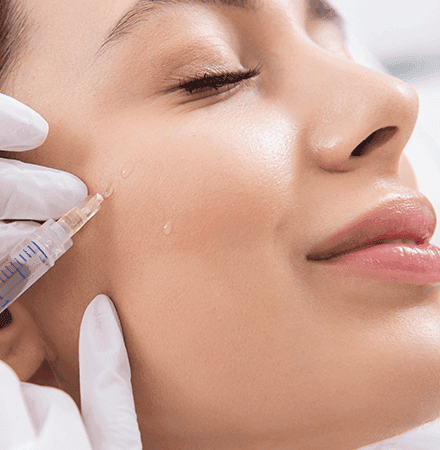
Most patients notice small bumps or slight redness at injection points. Normal. Should resolve within 24 hours. If redness spreads or bumps feel warm to touch, contact the treating practitioner immediately.
Managing Swelling and Bruising
Bruising happens. Even with perfect technique, PDRN injections sometimes hit small blood vessels. Some people bruise more easily than others based on genetics, medications, or supplement use.
Cold compresses help. Apply for 10 minutes at a time during the first 48 hours. Not directly on skin (wrap in clean cloth). Helps constrict blood vessels and reduce inflammation.
Arnica can speed bruise resolution. Available as topical gel or oral tablets. Some research suggests it reduces bruising duration, though results vary between individuals.
Avoid these common mistakes that make swelling worse:
- Taking hot showers or using steam rooms (heat increases inflammation)
- Drinking alcohol within 48 hours of treatment (dilates blood vessels)
- Lying completely flat while sleeping (prevents fluid drainage)
- Taking aspirin or NSAIDs unless medically necessary (increases bleeding)
Swelling typically peaks 24-48 hours after treatment, then gradually improves. If swelling worsens after day three or feels asymmetric, consult the treating practitioner.
Sun Protection and Heat Exposure
Treated skin is more vulnerable to UV damage for about two weeks post-treatment. PDRN stimulates cell turnover and collagen remodeling, which temporarily makes skin more susceptible to sun damage.
Use SPF 30 or higher daily. Physical sunscreens (zinc oxide or titanium dioxide) often work better than chemical formulas immediately after treatment. Less likely to cause irritation.
Heat exposure matters too. Saunas, hot yoga, and direct sun exposure can increase inflammation and prolong swelling. Worth skipping for at least one week after PDRN injections.
Some patients find their skin feels warmer or more sensitive for several days post-treatment. Part of the healing response. Should gradually normalize as injection sites heal completely.
Skincare Product Timeline
Not all products are safe to use immediately after PDRN treatment. Active ingredients can irritate healing skin or interfere with the regenerative process.
Here’s when to reintroduce different product categories:
Days 1-3: Gentle cleanser and moisturizer only. Nothing with fragrance, acids, or active ingredients. Simple hydration supports healing without adding irritation.
Days 4-7: Can add back mild antioxidants like vitamin C if skin shows no irritation. Still avoid retinoids, acids, and exfoliants.
Week 2+: Gradually reintroduce active ingredients if skin has fully healed. Start with lower concentrations and watch for sensitivity.
Patients combining PDRN with microneedling typically need longer recovery before resuming actives. The combined treatments create more inflammation, requiring extended healing time.

Activity Restrictions and Exercise
Intense workouts increase blood flow and body temperature. Both can worsen swelling in the first few days after PDRN injections.
Light walking is fine immediately after treatment. Keeps circulation moving without significantly raising heart rate or blood pressure.
But skip these activities for 48-72 hours:
- High-intensity cardio (running, cycling, HIIT workouts)
- Heavy weightlifting (especially exercises involving straining or holding breath)
- Hot yoga or Pilates in heated rooms
- Swimming (chlorine and bacteria exposure before injection sites fully close)
- Contact sports or activities with facial trauma risk
After three days, most patients can gradually return to normal exercise routines. Start with moderate intensity and increase as comfort allows.
Some practitioners recommend longer activity restrictions for patients receiving PDRN in combination with dermal fillers. The added volume from fillers plus PDRN means more potential for swelling with increased blood flow.
Hydration and Nutritional Support
Cellular repair requires adequate hydration. PDRN treatments stimulate collagen synthesis and tissue regeneration, processes that depend on proper cellular hydration levels.
Drink more water than usual for the first week post-treatment. Aim for at least eight glasses daily. Helps support the metabolic processes PDRN activates.
Certain nutrients support healing:
- Vitamin C: Essential for collagen formation (citrus fruits, bell peppers, strawberries)
- Protein: Provides amino acids needed for tissue repair (lean meats, fish, legumes)
- Omega-3 fatty acids: Support anti-inflammatory processes (salmon, walnuts, flaxseed)
- Zinc: Important for wound healing (pumpkin seeds, chickpeas, cashews)
No need for special supplements unless patients have known deficiencies. A balanced diet typically provides adequate nutrients for healing.
Avoid excessive sodium in the first few days. Salt increases fluid retention, which can worsen facial swelling after injections.
When to Schedule Follow-Up Treatments
PDRN works cumulatively. Single treatments provide some benefit, but most patients see best results with a series of sessions spaced several weeks apart.
Typical protocols involve three to four treatments, scheduled four weeks apart. This timing allows each treatment to complete its initial healing phase before adding another stimulus for collagen production.
Some practitioners adjust spacing based on individual response. Patients who show strong improvements after initial treatments might extend intervals to six weeks. Those with more significant skin concerns might maintain four-week spacing for additional sessions.
Results continue developing for several months after completing a treatment series. The collagen remodeling process PDRN initiates keeps working long after the last injection.

Red Flags That Need Professional Attention
Most PDRN aftercare goes smoothly. But certain symptoms indicate potential complications requiring medical evaluation.
Contact the treating practitioner immediately if any of these occur:
- Increasing redness, warmth, or swelling after the first 48 hours
- Pain that worsens rather than improves over time
- Yellow or green discharge from injection sites
- Fever or feeling generally unwell after treatment
- Skin changes that look like infection (spreading redness, hot to touch)
- Unusual lumps or bumps that don’t resolve within one week
Rare, but important to catch early if they happen. Infections require prompt treatment with antibiotics. Vascular complications (extremely rare with PDRN) need immediate intervention.
Don’t hesitate to reach out with concerns. Experienced practitioners would rather evaluate minor issues than have patients wait while problems worsen.
Combining PDRN with Other Treatments
Many patients receive PDRN alongside other aesthetic procedures. Hand rejuvenation protocols often combine PDRN with laser treatments. Facial protocols might include PDRN with chemical peels or energy-based devices.
Combination treatments require modified aftercare. More inflammation means longer recovery periods. Specific restrictions depend on which treatments were combined and in what sequence.
General principles for combination treatment aftercare:
Allow adequate healing between procedures. If PDRN follows laser treatment, skin needs time to recover from laser before injections. If PDRN precedes laser, injections sites must fully heal first.
Extend activity restrictions. Combined treatments typically require longer periods avoiding intense exercise, heat exposure, and active skincare ingredients.
Follow the most conservative protocol. When different treatments have conflicting aftercare instructions, follow whichever recommendation is more restrictive. Better to be cautious than risk complications.
Patients receiving PDRN for hyperpigmentation treatment alongside brightening procedures need especially careful sun protection. The combination increases photosensitivity more than either treatment alone.
Long-Term Maintenance After PDRN Treatment
Results from PDRN treatments can last several months. But maintaining those results requires ongoing skin health practices.
Continue daily sun protection. UV exposure breaks down the collagen PDRN worked to build. Consistent SPF use preserves treatment benefits longer.
Maintain proper hydration and nutrition. The cellular processes PDRN activated will slow over time, but supporting overall skin health helps extend results.
Some patients schedule maintenance treatments every few months after completing an initial series. Helps sustain collagen levels and continue regenerative benefits. Frequency depends on individual goals and how skin responds to treatment.
Work with a qualified practitioner to develop a long-term plan. PDRN fits into comprehensive skin health strategies that might include other treatments, targeted skincare, and lifestyle modifications.
Making Aftercare Work
Good results from PDRN treatments aren’t just about the injection itself. What patients do in the days and weeks after treatment significantly impacts outcomes.
The guidelines covered here represent evidence-based best practices based on how PDRN works and what supports optimal healing. Not every practitioner will emphasize the same points. Some variations in aftercare protocols reflect different treatment techniques or patient populations.
But the core principles remain consistent: protect healing skin, support regenerative processes, avoid factors that increase inflammation, and give the body time to respond to treatment. Follow these fundamentals and patients typically see the improvements they’re hoping for.
When in doubt about any aspect of aftercare, contact the treating practitioner. They know the specific details of each treatment session and can provide personalized guidance based on individual circumstances.