

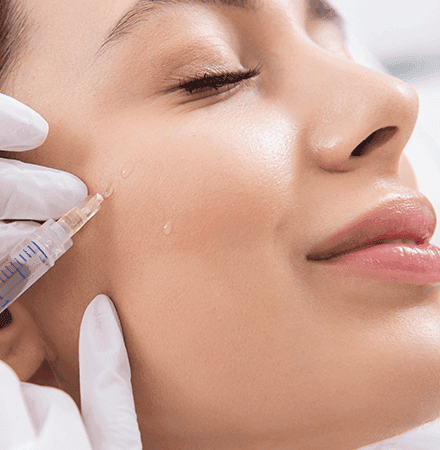
Patients walking into clinics expect dramatic transformations overnight. Won’t happen.
The combination of PDRN (polydeoxyribonucleotide) with microneedling has gained serious traction in aesthetic medicine, but the gap between marketing promises and actual results causes frustration. Social media feeds flood with before-and-after photos showing radical changes in weeks, yet clinical reality tells a different story. Understanding what this treatment combination genuinely delivers, and on what timeline, prevents disappointment and helps patients make informed decisions about their skin rejuvenation journey.
The science behind PDRN works through cellular repair mechanisms that take time. This isn’t filler that plumps instantly or toxin that relaxes muscles within days. PDRN stimulates fibroblast activity and promotes collagen synthesis at a biological pace that can’t be rushed, no matter how much patients want faster results. For a foundational understanding of how PDRN works, see our complete guide to PDRN.
Timeline Realities Nobody Talks About
First treatment session? Expect redness and minor swelling. That’s it.
The initial response to combined PDRN and microneedling feels anticlimactic for most patients. Skin looks irritated for a few days, then returns to baseline. And that’s completely normal. The actual regenerative process happens beneath the surface where nobody can see it yet. Patience becomes the hardest part of the entire treatment protocol.
Most practices recommend a series of three to six sessions spaced four weeks apart. This spacing isn’t arbitrary. Skin needs recovery time between treatments while the PDRN continues working at the cellular level. Rushing sessions closer together doesn’t accelerate results and may actually compromise outcomes by not allowing adequate healing windows.
Visible improvements typically emerge around the six to eight week mark after starting treatment. Subtle changes first. Skin texture feels smoother before it looks dramatically different. Pore size may appear slightly reduced. Overall skin quality improves in ways that are hard to photograph but easy to feel when touching your face. These incremental changes frustrate patients expecting Instagram-worthy transformations, yet they represent genuine biological improvement.
What Actually Improves (And What Doesn’t)
PDRN with microneedling excels at specific concerns while disappointing in others.
Fine lines and skin texture respond best. The combination addresses superficial wrinkles around eyes and mouth through collagen remodeling. Research evaluating platelet-rich plasma and microneedling demonstrates measurable improvements in skin quality markers, though results vary significantly between individuals. Overall smoothness improves as new collagen fills in microscopic irregularities that create rough texture.
Scar reduction shows promise but demands realistic expectations. Atrophic acne scars may soften and become less noticeable over multiple treatment cycles. But deep ice-pick scars or extensive scarring won’t disappear completely. Think improvement, not elimination. Some patients see thirty to forty percent reduction in scar depth, which represents substantial progress even if it doesn’t achieve perfect skin.
Pigmentation issues present mixed results. Post-inflammatory hyperpigmentation sometimes responds well to the regenerative effects of PDRN combined with controlled injury from microneedling. However, melasma proves notoriously stubborn and may actually worsen if treatment triggers additional pigment production. Patients with active melasma need careful evaluation before proceeding. For dedicated pigmentation protocols, see our guide on PDRN and hyperpigmentation.
Here’s what this combination doesn’t fix:
- Deep static wrinkles requiring volume replacement
- Significant skin laxity that needs tightening procedures
- Active acne (should be controlled first)
- Rosacea or very sensitive reactive skin
- Unrealistic expectations of looking twenty years younger
Skin tightening effects remain modest at best. Patients hoping to lift sagging jowls or tighten loose neck skin will likely feel disappointed. The collagen stimulation provides mild firmness improvement but can’t replace surgical or aggressive energy-based tightening procedures.

Individual Variables That Change Everything
Age matters more than people want to admit.
Younger patients (late twenties to mid-thirties) using PDRN and microneedling for preventive care or mild texture issues typically see better results than older patients addressing decades of sun damage. Not because the treatment works differently, but because younger skin maintains better baseline regenerative capacity. The biological machinery responds more efficiently when it hasn’t been compromised by years of environmental damage and intrinsic aging. For more on addressing UV damage specifically, see our article on PDRN and sun damage.
Baseline skin quality predicts outcomes significantly. Someone with generally healthy skin seeking subtle refinement achieves more satisfying results than someone with severely photodamaged, thin, or compromised skin expecting major restoration. The starting point matters enormously for where you can realistically end up.
Lifestyle factors undermine results constantly. Patients who continue smoking, skimp on sun protection, or maintain poor nutrition sabotage their own outcomes. PDRN stimulates repair mechanisms, but those mechanisms need proper support through healthy habits. You can’t out-treat a terrible lifestyle. Smoking especially devastates results by restricting blood flow and impairing healing at the exact time when optimal circulation matters most.
Genetics play an underdiscussed role. Some people simply respond better to regenerative treatments due to inherent differences in growth factor receptors, collagen synthesis capacity, and inflammatory response patterns. Two patients following identical protocols may experience notably different results purely due to biological variability. This reality frustrates both practitioners and patients, but ignoring it creates false expectations.
The Maintenance Reality Nobody Mentions Upfront
Results aren’t permanent. Period.
Patients often assume completing their initial treatment series means they’re done forever. Wrong. The aging process continues relentlessly, and environmental damage accumulates daily. Most practitioners recommend maintenance sessions every three to six months after completing the initial series to sustain improvements. This ongoing commitment represents a significant investment of time and money that catches many people off guard.
The evaluation of treatment protocols shows that benefits plateau without maintenance, then gradually decline as natural aging processes reassert themselves. Think of it like fitness training. You can’t work out intensively for three months, then stop completely and expect to maintain those results indefinitely. Skin requires ongoing support to preserve gains achieved through treatment.
Cost considerations compound over time. A single session might run between three hundred and eight hundred dollars depending on location and provider expertise. Multiply that across an initial series plus years of maintenance, and the financial commitment becomes substantial. Patients need this information before starting, not after they’ve invested in the initial series and feel pressured to continue. For a critical look at what research supports, see our analysis of PDRN efficacy and the data behind the claims.
Comparing Your Results to Others (Don’t)
Social media makes this impossible to avoid but essential to resist.
Before-and-after photos online represent best-case scenarios shot under optimal lighting conditions, often with professional photography and editing. Even legitimate clinical photos showcase the most responsive patients with the most dramatic improvements. Clinics don’t typically post photos of patients who saw modest results or no change. This selection bias creates completely unrealistic benchmarks for typical outcomes.
Your skin won’t respond exactly like anyone else’s skin. Comparing your six-week results to someone’s posted transformation photos sets you up for unnecessary disappointment. Focus instead on whether your skin shows improvement compared to your own baseline, not compared to strangers on Instagram whose treatment details, skin type, and baseline condition you don’t actually know.
Photographic documentation matters for tracking personal progress. Many patients feel disappointed during treatment because they can’t see gradual changes happening daily. Standardized photos taken monthly under consistent lighting conditions reveal improvements that mirrors don’t show. This objective documentation helps maintain perspective when subjective assessment feels discouraging.
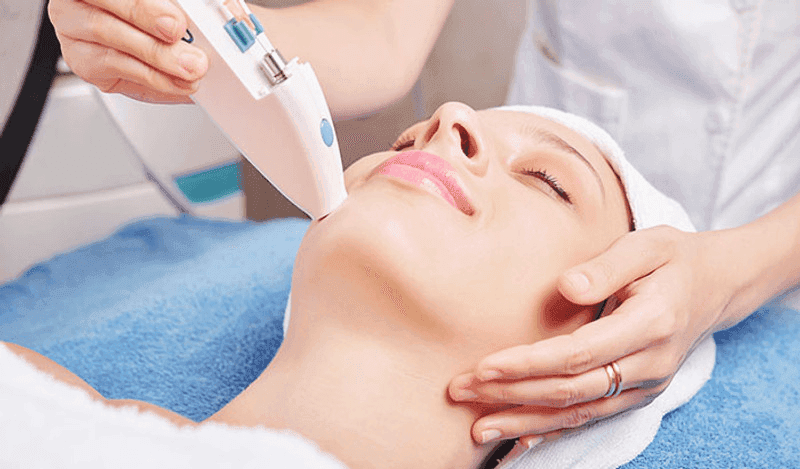
When to Adjust Expectations Versus Switch Approaches
Some situations call for patience while others demand different strategies.
After three sessions with zero visible improvement, honest conversation with your practitioner becomes necessary. Complete non-response occasionally occurs despite proper technique and quality products. Continuing indefinitely without results wastes time and money. Studies on treatment effectiveness acknowledge that not all patients demonstrate significant response to regenerative protocols, making alternative approaches worth considering.
Partial response presents trickier decisions. If you’re seeing twenty percent improvement when you hoped for seventy percent, does continuing make sense? Depends on your goals, budget, and available alternatives. Sometimes modest improvement represents the ceiling for what any non-invasive treatment can achieve for your particular concerns.
Combination strategies might deliver better outcomes than PDRN and microneedling alone. Adding targeted skincare with retinoids and antioxidants, incorporating different energy-based devices, or addressing underlying issues like hormonal factors could enhance overall results. A comprehensive approach often outperforms single-modality treatment. For combination protocol guidance, see our article on PDRN with fillers.
These indicators suggest reconsidering your treatment plan:
- Zero improvement after four or more properly spaced sessions
- Worsening of certain issues like increased pigmentation or sensitivity
- Unrealistic expectations that no treatment can meet
- Financial strain from ongoing maintenance costs
- Better alternatives becoming available for your specific concerns
- Persistent dissatisfaction despite objective improvement
Sometimes the most reasonable decision involves accepting that this particular combination doesn’t work well for your skin and exploring different options. That’s not failure. That’s practical adjustment based on real-world results.
Setting Yourself Up for Satisfaction
Success starts with honest self-assessment before treatment begins.
Define specific, measurable goals rather than vague wishes for “better skin.” Want to reduce the depth of forehead lines by half? Improve overall texture smoothness? Fade acne scars twenty to thirty percent? Specific targets allow meaningful evaluation of whether treatment delivers. Vague hopes for transformation guarantee disappointment.
Discuss realistic outcomes explicitly with your practitioner during consultation. Ask direct questions about typical results for your age, skin type, and specific concerns. Request to see photos of patients with similar baseline conditions, not just their most dramatic cases. A quality practitioner welcomes these conversations and provides honest assessments rather than overpromising. Practitioners seeking training should explore our guide on PDRN training courses and certification.
Understand your own psychology around cosmetic treatments. Some people enjoy the process and feel satisfied with incremental improvements. Others become frustrated without dramatic changes and would be happier pursuing more aggressive interventions from the start. Knowing which type you are prevents choosing treatments misaligned with your personality.
Commitment matters enormously. If you can’t complete the recommended series, maintain proper aftercare, and potentially continue maintenance sessions, results will disappoint regardless of the treatment’s inherent effectiveness. Half-hearted participation in protocols designed for full commitment rarely works well.
The Bottom Line on Results
PDRN combined with microneedling offers legitimate benefits for specific skin concerns when approached with appropriate expectations. The treatment stimulates genuine biological repair processes that improve skin quality measurably, though not miraculously. Results emerge gradually over months rather than days, require multiple sessions plus maintenance, and vary substantially between individuals based on age, genetics, lifestyle, and baseline skin condition.
Best outcomes happen for patients seeking modest improvement in fine lines, texture, and mild scarring who understand the timeline involved and commit to the full protocol. Disappointment strikes those expecting dramatic transformation, immediate visible changes, or permanent results without maintenance. The treatment works, just not the way social media suggests. For a broader clinical perspective, explore our practitioner’s overview of PDRN in aesthetic medicine.
Managing expectations isn’t about lowering standards or accepting mediocrity. It’s about aligning your goals with what this specific treatment combination can realistically deliver for your individual situation. That alignment creates the foundation for satisfaction with outcomes that represent genuine improvement, even when they don’t match retouched before-and-after photos online.