

Most clinics see one clear pattern. Patients arrive after years of hair loss, with high hopes and very little trust. They tried shampoos, vitamins, and even clinic treatments, but feel that real regrowth never matched the sales talk.
PDRN for hair loss sits in that space between hope and proof. It has real regenerative biology behind it. It also has gaps in data, mixed study designs, and many brands that sell more hype than science.
This article looks at what PDRN can and cannot do for scalp regeneration. It explains practical protocols, realistic timelines, and smart ways to combine PDRN with other tools.
What PDRN Actually Is, In Plain Language
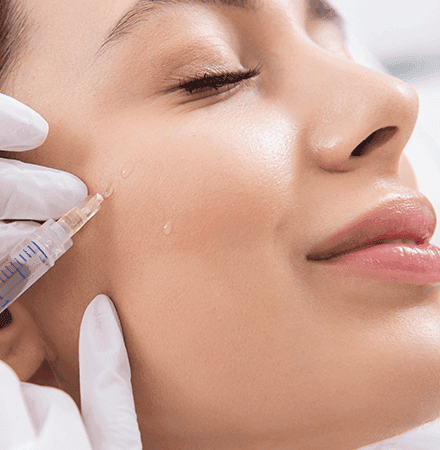
PDRN stands for polydeoxyribonucleotide. It is a chain of DNA fragments. Most products use DNA from salmon, then purify and process it.
In skin and scalp care, PDRN is used as a tissue repair agent. It is not a filler. It is not a classic growth factor. It supports healing and cell activity in a different way.
A helpful overview of these mechanisms appears in a review on salmon derived PDRN and aesthetic uses, which explains how these DNA fragments support repair and cell signaling in skin tissue (EP CE QE review).
For readers new to the topic, a broader science summary of PDRN in aesthetic medicine is also available in the main PDRN in aesthetic practice overview.
Why PDRN Matters For Hair Follicles
Hair follicles are small organs. Each one needs steady blood flow, balanced immune signals, and healthy surrounding tissue.
PDRN supports these areas in several ways.
Core Mechanisms On The Scalp
Researchers have seen three main effects in skin and scalp models.
First, PDRN activates adenosine A2A receptors, which can raise growth signals inside cells. That receptor action links to better collagen formation, higher cell growth, and support for repair.
Second, PDRN supports angiogenesis, which means new micro blood vessels. Better blood supply around follicles can improve nutrient and oxygen delivery. This is important in pattern hair loss, where miniaturized follicles often sit in a low flow field.
Third, PDRN can have anti inflammatory actions in damaged tissue. Chronic low grade inflammation is common around follicles in pattern loss and some scarring types. Calming that process can protect the stem cell region.
A recent review on PDRN in dermatology and anti aging medicine highlights these points and describes PDRN as a promising tissue repair agent with multiple skin targets (therapeutic potential review).
What The Hair Loss Data Actually Shows
The hair loss data is still early. It is not as strong as long term finasteride or minoxidil data. It is also not as rich as platelet rich plasma data.
Still, the best known direct clinical signal comes from a study on female pattern hair loss. This trial compared platelet rich plasma with PDRN injections.
In that work, patients with female pattern loss received either PRP or PDRN into the scalp. Both groups showed improved hair counts and hair thickness over time. The PRP group had stronger results overall, but PDRN still gave measurable gains in density and shaft diameter (female pattern hair loss study).
That result supports a simple view. PRP likely remains the first choice biologic in many cases. PDRN can still play a real role, especially for tissue quality and for patients who cannot use PRP. A detailed comparison is available in the guide on PDRN vs PRP for regenerative treatments.
PDRN Versus Other Regenerative Options
Clinics rarely choose one single method. They build a plan with several tools.
PDRN sits in a group with PRP, exosomes, and growth factor mixes. It is different from classic drugs like finasteride or oral minoxidil, which target hormones or blood flow more directly.
A recent paper on regenerative cosmetics for hair restoration lists PDRN along with other bio active materials that support follicle health, stem cell niches, and scalp repair. The authors note that many of these tools seem to work best when combined with other methods, rather than used alone (regenerative cosmetics review).
When clinics compare options, cost, regulatory status, and patient risk all matter. An overview of global PDRN rules can be found in the guide on PDRN regulatory status and compliance.
Core PDRN Scalp Protocol: Injection Based
Most effective PDRN hair protocols use injection delivery. Topical use alone is very unlikely to reach follicle stem cells in useful amounts.
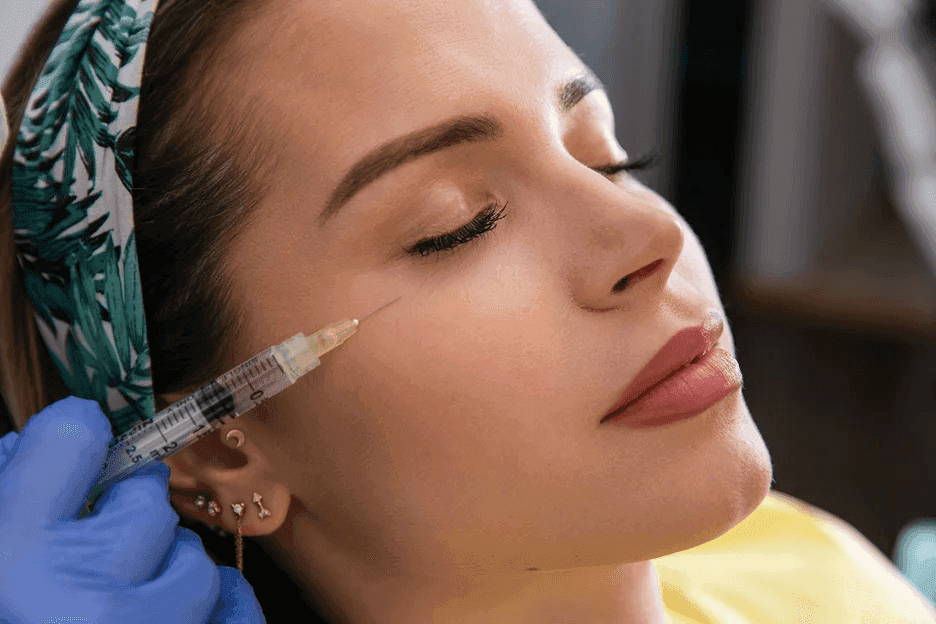
The most common structure in clinical practice uses mesotherapy style injections.
Basic Injection Framework
Clinics that already use mesotherapy or PRP can adapt current skills. A common PDRN scalp protocol looks like this.
- Session frequency: every 2 weeks for the first 3 sessions, then every 4 weeks for another 3 sessions.
- Total course: 6 sessions over about 4 months, then assess.
- Injection depth: 1 to 2 millimeters into the superficial dermis of the scalp.
- Grid pattern: around 1 centimeter between points over the thinning zone.
- Dose: varies by brand, but many clinics use 2 to 4 milliliters per session across the scalp.
This pattern mirrors the structure often used for PDRN in facial rejuvenation, where repeated small doses seem to give better tissue change than rare large bolus doses. A broad overview of such skin protocols appears in the guide on what PDRN is and how it works in skincare.
Target Patient Types
PDRN protocols are most suitable for certain hair loss patterns.
- Early to moderate female pattern hair loss.
- Male pattern loss in early miniaturization stages.
- Diffuse shedding with poor scalp quality and dull skin.
- Support after transplant to improve graft bed quality.
Results tend to be more visible in patients who still have many miniaturized hairs. When follicles are fully lost and smooth scalp is present, PDRN will not bring them back.
Combining PDRN With Microneedling
Many clinics like to pair PDRN with microneedling. The logic is simple. Needling opens micro channels and creates a controlled injury. PDRN can then support repair and signal pathways.
There are two main styles.
Style One: Needling First, PDRN After
In this structure, the scalp is first treated with a microneedling device. Needle depth is usually 0.8 to 1.5 millimeters in thinning zones.
Right after needling, a PDRN solution is applied topically and massaged into the area. Some practitioners also perform light nappage injections on top of that.
A guide on PDRN with microneedling and realistic results explains why timing, depth, and product quality matter for this style.
Style Two: Injection First, Needling Later
Here, the main PDRN dose is injected in mesotherapy fashion. After a short delay, low depth microneedling is used over the same zone to improve surface circulation and enhance growth factor release.
There is no clear head to head data that proves one style is better. Many clinics choose based on comfort and device access.
Where PDRN Fits In A Full Hair Plan
PDRN is not a full plan by itself. It is one tool in a layered strategy.
A realistic hair plan often pairs several elements.
- A drug that targets hormones or blood flow, like oral or topical minoxidil, and in some male cases, finasteride.
- A biologic tool, such as PRP, PDRN, or both, on a set schedule.
- A mechanical trigger like microneedling.
- Daily care such as gentle shampoo, scalp health care, and sun control.
PDRN can support tissue quality, help with recovery after other energy devices, and may also improve texture of the scalp skin. The article on PDRN for hand rejuvenation shows how similar collagen support effects appear in other thin skin areas.
Protocol Variations For Different Hair Loss Patterns
Not every scalp needs the same structure. Several clear groups can be seen in clinic work.
Female Pattern Hair Loss
For women with pattern loss, clinics often lean on PRP as the primary regenerative tool. PDRN can be added for patients who have sensitive scalps, stronger inflammatory signs, or poor healing after past injections.
A typical plan might use PRP and PDRN in alternating sessions. PRP every 4 to 6 weeks, PDRN in between at the 2 or 3 week mark.
Clinics that favor a gentler path can also use PDRN alone for the first three sessions. If the response is modest, PRP can then be added later.
Male Pattern Hair Loss
For men, hormone control is central. If that part is missing, PDRN alone will not hold back miniaturization.
When a man is already on a stable drug plan, PDRN can help improve hair shaft quality and scalp health. This is most clear in early to middle stages, when there are still many thin hairs present.
An evidence review of PDRN in skin repair and stem cell support in hair related tissue is given in a paper on PDRN and stem cell applications in dermatology (skin and stem cell journal article).
Scarring And Mixed Pattern Loss
For scarring alopecia, data for PDRN is very limited. Some clinics use it as a supportive agent after inflammation is controlled by drugs.
Here the goal is less about regrowth and more about scar quality, comfort, and surrounding tissue strength. Session frequency is often lower, and expectations must stay modest. The guide on PDRN for scar revision and acne treatment provides additional context.
Practical Session Flow And Aftercare
A clear, repeatable flow helps both staff and patients.
Before treatment, clinicians should map the thinning zones and mark a grid. Topical anesthetic can be applied if needed.
During injections, many clinics use a 30G needle and a small volume per point, often 0.02 to 0.05 milliliters. Slow, even work reduces pain and bruising.
Right after treatment, patients are usually advised to avoid heavy sweat, hair dye, and harsh shampoos for at least 24 hours. Light scalp redness and mild swelling are normal for one to two days.
When PDRN is paired with microneedling, aftercare should follow standard needling rules. No active acids, no strong retinoids, and strict sun care.
A wider view on PDRN absorption and why injection delivery works better than creams can be found in the guide on PDRN absorption and topical limits.
Setting Expectations And Measuring Results
Patients often arrive with images of dense, teenage level hair in mind. That is rarely realistic.
Clinics that use PDRN effectively set clear, staged goals.
Short term goals focus on scalp comfort and quality.
- Less itch and burning.
- Better shine and less dull skin.
- Mild decrease in daily hair shedding.
Medium term goals, around three to six months, look at density and shaft change.
- Slightly higher hair counts in marked photo zones.
- Thicker average hair shaft diameter.
- Better styling volume, even without true new follicles.
Long term goals, beyond six months, focus on maintenance and slowing loss.
- Slower miniaturization speed.
- Longer stable phases between drug changes.
Some clinics use hair counts and trichoscopy images at baseline and at months three and six. Others use standardized photo angles. The key is to have a method and repeat it.
A useful summary of how to read PDRN study data and set realistic effect size views is given in the guide on understanding PDRN efficacy and the data behind claims.
Training, Safety, And Sensible Caution
PDRN is not a high risk material when used correctly, but it is still an injectable product. Proper training in injection technique, dosing, and complication management is essential.
Clinics that are new to PDRN often start with facial protocols, then extend skills to the scalp. Formal training and certification resources for aesthetic teams are reviewed in the article on PDRN training courses for practitioners.
Current literature on PDRN in dermatology reports a good safety profile, with most side effects limited to mild and local reactions at injection sites. That said, clinics must screen for fish allergies, review medical history, and follow local device and drug rules in detail.
Regulatory status can vary by country and by product. Teams should confirm that the specific PDRN brand is cleared for the intended use in their region.
Final Thoughts: Where PDRN For Hair Loss Stands Now
PDRN is not a miracle hair cure. It is a supportive regenerative tool that can improve scalp health and, in some patients, support better hair density and shaft quality.
Current evidence suggests that PDRN works best as part of a combined plan, especially with PRP, microneedling, or standard hair loss drugs. Pure PDRN monotherapy will often underperform compared with a layered approach.
Clinics that succeed with PDRN for hair loss usually share three habits. They select patients with care. They follow a clear protocol with enough sessions. They set realistic expectations and measure results with objective tools.
For practitioners who already work with PDRN in skin, the move to scalp protocols is a logical next step. For patients, the key is to seek clinics that treat PDRN as one piece of a thoughtful, science based hair strategy, not as a stand alone promise.