

Hands reveal age faster than faces. While most anti-aging efforts focus upward, hands show every year through thinning skin, visible veins, and that crepey texture nobody wants. PDRN changes this equation completely.
Polydeoxyribonucleotide therapy works differently than fillers or lasers. Instead of masking problems or burning away damaged layers, PDRN triggers actual cellular repair. The molecule comes from salmon DNA, and when injected into aging hand tissue, it activates adenosine A2A receptors that kickstart regeneration. Real biological renovation, not temporary cosmetic fixes. For a foundational understanding, see our complete guide to PDRN.
Clinics offering hand rejuvenation see growing demand for PDRN protocols. Makes sense. Traditional treatments only address surface issues while PDRN rebuilds from within. Dermatologists and aesthetic practitioners now combine it with other modalities for comprehensive hand restoration that actually lasts.
Why Hands Age So Aggressively
Skin on hands is thinner than facial skin. Around 0.5mm thick compared to 1.5mm on cheeks. Less fat padding underneath too.
Constant environmental exposure accelerates damage. UV radiation hits hands during every car ride, every outdoor errand, every moment near windows. Most people apply sunscreen to faces religiously but skip hands entirely. The cumulative UV damage shows up as lentigines (age spots), textural irregularities, and collagen breakdown that makes veins stand out prominently. For more on addressing UV damage, see our article on PDRN and sun damage.
Repeated hand washing strips natural oils. Sanitizers dry tissue further. This daily assault on the skin barrier compounds the aging process beyond what genetic factors alone would create. By the time someone notices their hands look dramatically older than their face, significant structural deterioration has already occurred at the cellular level.
How PDRN Reverses Hand Aging
The mechanism starts with adenosine receptor activation. PDRN molecules bind to A2A receptors on fibroblasts, triggering increased production of collagen and elastin. Not superficial plumping, actual protein synthesis.
Vascular regeneration happens simultaneously. Research shows PDRN promotes angiogenesis, creating new capillary networks that improve circulation to aging tissue. Better blood flow means better nutrient delivery and waste removal. The tissue literally functions younger.
Inflammation decreases too. Chronic low-grade inflammation drives much of visible aging, and PDRN demonstrates anti-inflammatory properties through multiple pathways. It modulates cytokine production while supporting tissue repair, creating conditions where cells can regenerate instead of just surviving in a damaged state.
Skin thickness increases measurably. Studies document dermal density improvements after PDRN treatment series, with hands showing reduced transparency and less visible underlying structures. The crepey appearance diminishes as the extracellular matrix rebuilds with proper architecture.
Standard Treatment Protocol
Most practitioners start with four sessions spaced two to three weeks apart. Initial loading phase.
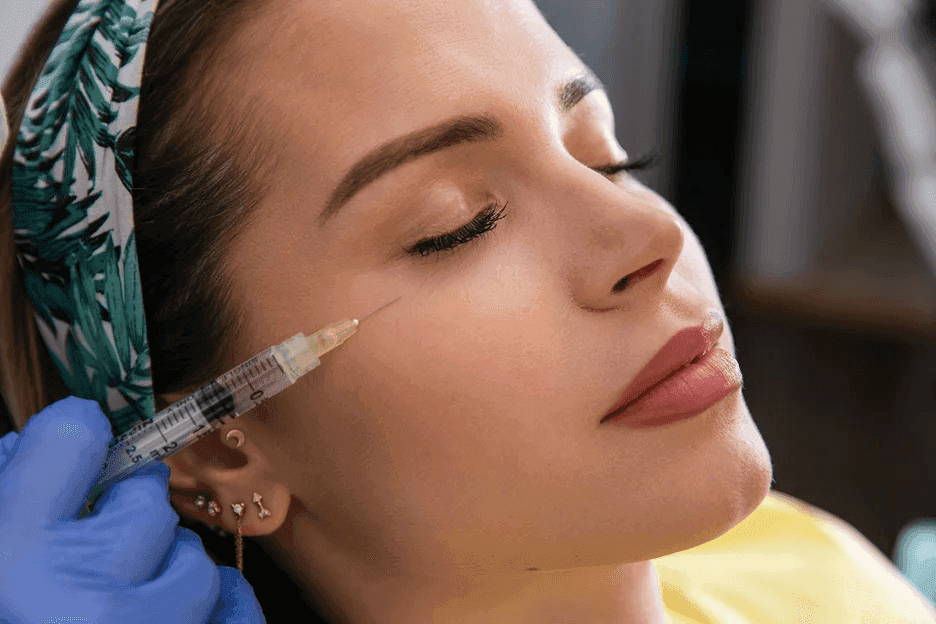
Each treatment involves multiple injection points across the dorsal hand surface. Typical protocol uses between 10 to 15 injection sites per hand, distributing 2ml to 3ml of PDRN solution evenly. The goal is comprehensive coverage rather than spot treatment, since aging affects the entire hand uniformly.
Injection depth matters significantly. Too superficial and the product disperses without reaching target cells. Too deep and it misses the dermal layer where regeneration needs to happen. Experienced injectors place PDRN in the mid to deep dermis using precise technique, often with cannulas rather than needles to minimize trauma and ensure even distribution.
Pain management varies by practitioner. Some use topical anesthetic cream before treatment. Others incorporate lidocaine into the PDRN solution itself. The discomfort level is generally tolerable, described as mild stinging or pressure rather than sharp pain. Most patients handle it without issue.
Downtime is minimal. Hands may show slight swelling or redness for 24 to 48 hours post-treatment. Bruising occasionally occurs at injection sites but resolves quickly. Patients typically return to normal activities immediately, just avoiding excessive heat or vigorous hand use for a day or two.
Timeline for Visible Results
Nothing happens overnight. This isn’t filler.
First changes appear around week four to six. Skin texture feels smoother to the touch before visual improvements become obvious. Hydration levels increase as the tissue’s ability to retain moisture improves through better cellular function.
By week eight to ten, structural changes become apparent. Skin looks less translucent. Veins appear less prominent not because anything covers them, but because the overlying tissue has genuinely thickened. Fine lines start smoothing as new collagen fills in the dermal architecture.
Maximum benefit shows at three to four months post-treatment series. The regenerative effects continue developing well after injections stop, as the cellular activation PDRN initiated keeps producing results. This delayed gratification frustrates some patients initially but delivers superior long-term outcomes compared to instant-result treatments that fade quickly.
Maintenance typically involves quarterly or biannual sessions after the initial series. Depends on individual aging rate and environmental factors. Some patients return every six months, others stretch it to once yearly. The regenerated tissue doesn’t vanish when treatments stop, it just needs periodic support to maintain optimal function.
Combining PDRN With Other Treatments
Layering different modalities produces superior outcomes. Strategic combinations.
Skin boosters work beautifully alongside PDRN. While PDRN rebuilds structure, hyaluronic acid-based boosters provide immediate hydration and subtle volume. The combination addresses both immediate aesthetic concerns and long-term regeneration simultaneously. Practitioners often alternate between PDRN sessions and booster sessions, creating a comprehensive improvement timeline.
Laser resurfacing pairs well when properly timed. Fractional lasers remove damaged surface cells and stimulate collagen production through controlled injury. Following laser treatment with PDRN enhances healing and amplifies collagen synthesis beyond what either treatment achieves alone. The key is sequencing, typically laser first, then PDRN two to four weeks later during the healing phase.
Volumizing fillers address different concerns. PDRN improves skin quality but doesn’t restore lost volume in the same way hyaluronic acid fillers do. For hands with significant volume depletion, combining dermal fillers for structural restoration with PDRN for tissue quality creates natural, youthful results that neither achieves independently. Learn more about safe combination approaches in our guide on PDRN with fillers.
Chemical peels can be incorporated carefully. Superficial peels that target pigmentation issues complement PDRN’s regenerative effects. The peel addresses accumulated sun damage and age spots while PDRN rebuilds underlying tissue quality. Timing matters here too, with practitioners generally spacing these treatments to avoid overwhelming the tissue with simultaneous repair demands.
Patient Selection Criteria
Ideal candidates show moderate aging signs. Not too early, not too advanced.
Best results happen when hands display:
- Noticeable skin thinning but not severe atrophy
- Visible veins and tendons but still some overlying tissue
- Textural changes like crepiness or fine wrinkling
- Mild to moderate pigmentation issues
- Good overall health with normal healing capacity
Someone with minimal aging won’t see dramatic changes because there’s not much to improve. Conversely, extremely aged hands with severe volume loss and paper-thin skin need more aggressive intervention, possibly combining PDRN with volumizing treatments for adequate correction.
Medical contraindications exist. Pregnant or nursing women should avoid PDRN. Anyone with active infections or inflammatory conditions in the treatment area needs to wait until resolved. Patients with known hypersensitivity to salmon-derived products obviously can’t use PDRN.
Realistic expectations determine satisfaction. PDRN genuinely regenerates tissue but doesn’t perform miracles. Practitioners who carefully educate patients about the gradual nature of results and the biological limitations of regenerative medicine report much higher satisfaction rates than those who oversell immediate dramatic transformation. For a critical look at what research supports, see our analysis of PDRN efficacy and the data behind the claims.
Advanced Protocol Variations
High-concentration PDRN delivers different results. Standard formulations contain 5.625mg/3ml, but some products offer higher concentrations.
Practitioners using concentrated versions often reduce injection volume while maintaining therapeutic dose. This approach minimizes swelling and allows more precise placement in areas where excess fluid could cause problems. The trade-off involves potentially more injection points to ensure adequate distribution.
Microneedling delivery represents an alternative administration method. Instead of injections, PDRN is applied topically then driven into tissue using motorized microneedling devices. Advocates claim this creates more uniform distribution across the entire hand surface. Critics argue injection provides better depth control and more predictable dosing. Current evidence suggests both methods work, just through slightly different mechanisms. For realistic expectations on this combination approach, see our guide on PDRN and microneedling results.
Combination products containing PDRN plus other bioactive ingredients are emerging. Hyaluronic acid mixed with PDRN in a single solution, or PDRN with amino acids and vitamins. These combination approaches aim to address multiple aging pathways simultaneously through one treatment session. Still relatively new, but early adopters report good outcomes.
Managing Patient Expectations
The gradual improvement timeline surprises people accustomed to instant results. Clear communication prevents disappointment.
Showing before and after photos from previous patients helps set realistic mental benchmarks. When someone sees that even excellent results took three months to fully manifest, they understand their own timeline better. Photos also demonstrate what kind of improvement is actually achievable versus fantasy transformations.
Explaining the biological mechanism builds patience. When patients understand they’re triggering their body’s own regeneration rather than injecting something that provides immediate visual change, the wait makes sense. It’s renovation, not decoration.
Scheduling follow-up assessments at strategic intervals maintains engagement. Checking in at six weeks, twelve weeks, and four months allows practitioners to document progress and remind patients to evaluate changes compared to baseline rather than day-to-day, which makes gradual improvements invisible.
Cost Considerations
PDRN treatments aren’t cheap. Quality regenerative medicine rarely is.
Per-session pricing typically ranges from $400 to $800 per treatment, depending on geographic location, practitioner experience, and amount of product used. A standard four-session initial series therefore costs $1,600 to $3,200. Not insignificant.
Comparing this to alternatives provides context. Hand filler costs $600 to $1,000 per session and needs repeating every 12 to 18 months. Laser treatments run $500 to $1,500 per session with multiple sessions needed. PDRN’s initial investment is higher but maintenance is less frequent, potentially making it more economical long-term for patients committed to sustained improvement.
Package pricing reduces per-treatment cost. Most clinics offer bundled rates for the initial four-session series, typically 10% to 20% below individual session pricing. Some throw in complementary maintenance sessions at the six-month mark as package bonuses.
Safety Profile and Side Effects
PDRN is remarkably safe. Serious complications are rare.
Common mild effects include:
- Temporary redness lasting hours to two days
- Minor swelling at injection sites
- Occasional bruising that resolves within a week
- Mild tenderness for 24 to 48 hours
These resolve without intervention and don’t interfere with daily life significantly. Most patients consider them minor inconveniences rather than true side effects.
Allergic reactions are uncommon but possible. The salmon-derived origin means anyone with fish allergies needs careful evaluation before treatment. Most fish allergies involve protein antigens that aren’t present in purified PDRN, but cautious practitioners may perform patch testing on sensitive patients.
Infection risk is minimal with proper sterile technique. Standard injection safety protocols apply. Practitioners using proper skin prep, sterile products, and appropriate post-treatment care see infection rates near zero.
Granuloma formation has been reported in rare cases with some injectable biostimulators, but appears exceptionally uncommon with PDRN specifically. The molecule’s small size and biological compatibility make foreign body reactions unlikely.
Future Directions
Research continues expanding PDRN applications. Hand rejuvenation is just one use.
Combination with growth factors shows promise. Platelet-rich plasma mixed with PDRN theoretically amplifies regenerative signaling beyond either treatment alone. Early clinical trials suggest additive benefits, though larger studies are needed to establish optimal ratios and protocols.
Targeted delivery systems could improve efficiency. Researchers are exploring ways to prolong PDRN presence in tissue, potentially reducing treatment frequency while maintaining results. Slow-release formulations or carrier systems that protect the molecule from rapid degradation might extend the therapeutic window.
Home-use protocols remain speculative. While topical PDRN products exist, penetration without injection or microneedling is questionable. The molecule’s size limits passive absorption through intact skin barrier—see our analysis of PDRN absorption and bioavailability for why this matters. Still, the cosmetic industry keeps trying to develop effective at-home PDRN treatments that could complement professional procedures.
Conclusion
Hand rejuvenation with PDRN offers genuine biological renovation rather than temporary cosmetic fixes. The treatment rebuilds aging tissue through cellular regeneration, producing natural improvements that develop gradually but last substantially. For a broader clinical perspective, explore our practitioner’s overview of PDRN in aesthetic medicine.
Protocols typically involve four initial treatments spaced two to three weeks apart, with maintenance sessions every six to twelve months. Results appear over three to four months as the regenerative process unfolds. Combining PDRN with complementary treatments like fillers or lasers can enhance outcomes for patients with multiple aging concerns.
The safety profile is excellent. Downtime is minimal. For patients seeking meaningful, lasting hand rejuvenation and willing to invest in quality treatment, PDRN represents one of the most effective options available today. Not magic, just solid regenerative science applied thoughtfully to a commonly neglected area that reveals age unmistakably.