


The Collagen Crisis in Aging Skin
Mature skin loses about 1% of its collagen every year after age 30. That’s not just a cosmetic problem. Collagen gives skin its structure, while elastin provides bounce and flexibility. When these two proteins decline, skin sags, wrinkles deepen, and that youthful firmness disappears.
Most anti-aging treatments try to hide these changes with temporary fillers or surface-level improvements. PDRN takes a different approach. It goes after the root cause by waking up the cells that actually make collagen and elastin: fibroblasts.
Recent research shows PDRN activates multiple pathways in aging fibroblasts, essentially telling these dormant cells to start producing structural proteins again. Not through irritation or injury, but through specific cellular signaling that mimics natural regeneration.
How PDRN Activates Aging Fibroblasts
Fibroblasts are the factory workers of your skin. They produce collagen, elastin, and the gel-like matrix that holds everything together. Problem is, they get lazy with age.
PDRN binds to adenosine A2A receptors on fibroblast surfaces. This triggers a cascade of cellular responses. The fibroblasts start producing more collagen type I (the strongest structural form) and type III (which helps with wound healing and tissue repair). They also ramp up elastin production and increase hyaluronic acid synthesis.
What makes this particularly effective for mature skin? The mechanism addresses multiple aging pathways simultaneously. It’s not just about collagen. PDRN also reduces inflammatory signals that accelerate aging and improves the extracellular matrix environment where all these proteins exist.
Think of it like giving your skin cells better instructions and better working conditions at the same time.

The Structural Changes You Can Expect
Collagen renewal doesn’t happen overnight. Fibroblasts need time to manufacture new proteins and integrate them into existing tissue architecture.
First month: cellular activation begins. Fibroblasts respond to PDRN signaling, but visible changes remain minimal. Some patients notice improved hydration as hyaluronic acid production increases.
Months two through three: new collagen starts forming. Skin texture improves slightly. Fine lines may soften as the dermal matrix becomes more robust.
Months three through six: cumulative effects become visible. Deeper wrinkles show modest improvement. Skin firmness increases measurably. The changes aren’t dramatic, but they’re structural and lasting.
Key point: PDRN doesn’t erase decades of aging. It helps mature skin function more like younger skin by restoring some regenerative capacity. Realistic expectations matter here.
Understanding PDRN’s timeline helps manage expectations appropriately.
Treatment Protocols for Mature Skin
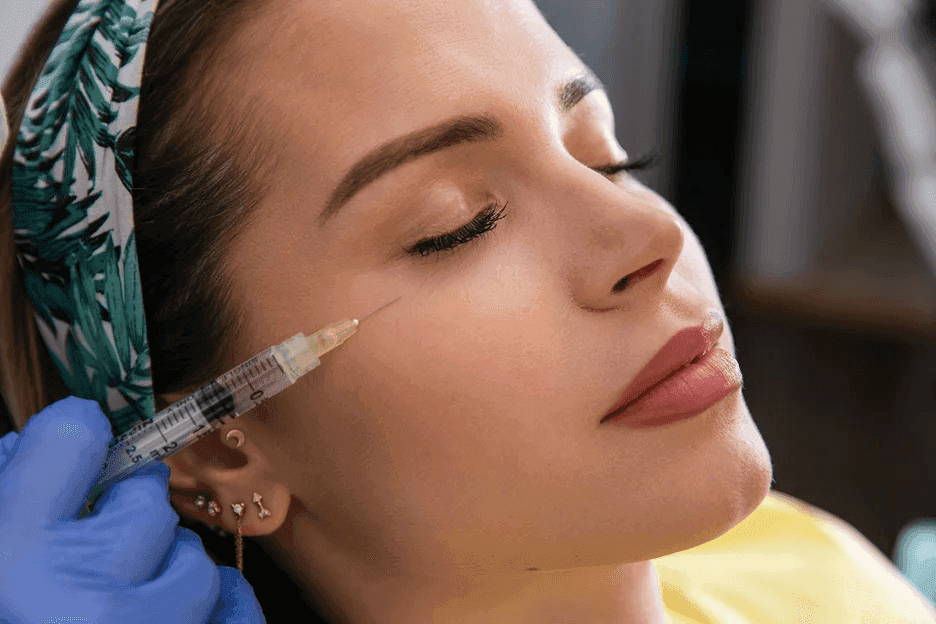
Most practitioners use injection protocols for aging skin. Here’s why:
- Direct delivery to the dermis where fibroblasts live
- Higher concentration reaches target cells
- More predictable dosing compared to topical application
Typical protocol involves three to four sessions spaced two to four weeks apart. Injection depth matters. Too superficial misses the fibroblast layer. Too deep wastes product in the subcutaneous fat.
Some clinics combine PDRN with other treatments. Pairing with dermal fillers addresses volume loss while PDRN improves tissue quality. Microneedling before PDRN application can enhance absorption, though injection remains more effective for significant collagen renewal.
Dosage varies by treatment area:
- Full face: typically 2-4ml per session
- Periorbital area: 0.5-1ml (requires precise technique)
- Neck and décolletage: 2-3ml (often neglected but shows excellent response)
Who Benefits Most from PDRN
Best candidates show moderate skin aging without severe structural damage:
- Early to moderate photoaging with fine to medium wrinkles
- Loss of firmness without extreme sagging requiring surgical intervention
- Skin that still has some elasticity but needs improvement
- Patients seeking gradual, natural-looking results rather than dramatic transformation
- Those willing to commit to multiple sessions and reasonable timelines
Less ideal candidates include those with very thin, severely sun-damaged skin where the dermal layer has minimal remaining structure. PDRN can’t rebuild tissue that’s essentially been destroyed. It enhances what’s there.
Photoaging damage responds well to PDRN’s regenerative properties, particularly when collagen degradation hasn’t reached advanced stages.
Elasticity Recovery: The Overlooked Benefit
Everyone talks about collagen. Elastin gets ignored.
Elastin provides skin’s snap-back quality. When you pinch young skin, it rebounds instantly. Mature skin takes longer or doesn’t fully return. That’s elastin loss.
PDRN stimulates elastin production through the same fibroblast activation that increases collagen. Research demonstrates measurable improvements in skin elasticity after PDRN treatment series, particularly in areas prone to sagging like the lower face and neck.
Elastin renewal takes even longer than collagen. The protein has a complex structure that requires precise assembly. But the payoff is real: skin that moves more naturally and resists gravity better.
Some practitioners measure elasticity objectively using cutometry devices before and after treatment series. Improvements typically range from modest to moderate, not miraculous.
Combining PDRN with Complementary Treatments
Smart combination approaches address multiple aspects of aging:
PDRN plus energy devices: Radiofrequency or ultrasound treatments tighten existing collagen through thermal effects. PDRN builds new collagen. Together they provide both immediate tightening and long-term renewal.
PDRN plus retinoids: Topical retinoids increase cell turnover and stimulate collagen from the surface. PDRN works deeper in the dermis. The combination hits aging from multiple angles without interfering with each other’s mechanisms.
PDRN plus antioxidants: Vitamin C, E, and other antioxidants protect newly formed collagen from oxidative damage. Makes sense to protect what you’re building.
Timing matters. Some treatments (like ablative lasers) should happen before PDRN to allow healing. Others (like gentle LED therapy) can occur alongside PDRN sessions.
Practitioners trained in PDRN protocols understand these combinations better.
The Science Behind Sustained Results
Why do PDRN results last months after treatment stops?
Once fibroblasts produce new collagen and elastin, those proteins stick around. Collagen type I has a half-life measured in years, not weeks. The structural improvements built during treatment persist as long as the proteins remain intact.
PDRN also appears to partially reprogram aged fibroblasts toward a more youthful phenotype. Studies show sustained improvements in cellular function even after PDRN is no longer present.
But natural aging continues. Maintenance treatments every six to twelve months help preserve improvements by periodically reactivating the regenerative response.
Areas Beyond the Face
Mature skin on hands, neck, and décolletage responds particularly well to PDRN.
Hands show age through thin, crepey skin and prominent veins. PDRN treatment on hands rebuilds dermal thickness, making skin appear fuller and veins less obvious. Results take longer here because hand skin starts thinner.
Neck and chest skin often gets neglected in skincare routines but shows severe sun damage. PDRN addresses the collagen loss that creates horizontal neck lines and that crinkled décolletage texture. Treatment requires more product to cover the larger surface area.
These areas need patience. Collagen renewal happens slower in body skin compared to facial skin due to differences in fibroblast density and blood supply.
Realistic Timeline and Maintenance
First treatment series: three to four sessions over eight to twelve weeks. Initial improvements visible around week eight to twelve. Full results emerge around month six.
Year one maintenance: one session every four to six months preserves improvements and provides modest additional gains.
Year two and beyond: treatments every six to nine months maintain results. Some patients extend to annual maintenance if they’re satisfied with their baseline improvement.
The aging process never stops. PDRN doesn’t halt it. But regular treatments can keep mature skin functioning better than it would otherwise.
Understanding PDRN’s efficacy data helps set appropriate expectations for long-term outcomes.
What PDRN Can’t Fix
Severe volume loss needs fillers. Deep static wrinkles benefit more from neuromodulators. Extreme sagging requires surgical intervention.
PDRN excels at improving tissue quality and rebuilding moderate collagen and elastin loss. It’s a regenerative treatment, not a restructuring one.
Patients expecting facelift-level changes will be disappointed. Those seeking gradual, natural improvement in skin quality typically feel satisfied with results.
The key is matching treatment to problem. PDRN addresses specific aspects of aging effectively within its mechanism’s limitations.
Making PDRN Work for Your Skin
Consult with practitioners experienced in PDRN protocols. Training and certification matter because injection technique significantly affects outcomes.
Discuss realistic goals based on your current skin condition. Ask about combination approaches that might enhance results. Understand the timeline so you’re not judging effectiveness too early.
Commit to the initial treatment series. One session won’t demonstrate PDRN’s full potential. Budget for maintenance if you want to preserve improvements.
Mature skin still has regenerative capacity. PDRN helps unlock it through targeted cellular activation that rebuilds the structural proteins aging steals away. Not magic, just smarter biology.