

Skin dullness isn’t just about tired-looking complexion. It signals cellular dysfunction, oxidative damage, and compromised barrier integrity that conventional brightening agents often miss. Polydeoxyribonucleotide, better known as PDRN, approaches the problem differently. Instead of merely suppressing melanin production or exfoliating dead cells, this salmon-derived ingredient works at the cellular level to restore what makes skin naturally luminous.
Most brightening treatments focus on surface-level fixes. Acids strip away outer layers. Vitamin C derivatives attempt to inhibit tyrosinase. Niacinamide blocks melanosome transfer. All valid approaches, but they ignore the underlying cellular environment where dullness originates. PDRN changes that equation by targeting fibroblast function, inflammatory pathways, and DNA repair mechanisms simultaneously.
The science behind PDRN’s brightening effects emerged from wound healing research. Turns out the same mechanisms that accelerate tissue repair also restore skin clarity. When fibroblasts function optimally, they produce balanced extracellular matrix components. When inflammation stays controlled, melanocytes behave normally. When cells repair DNA damage efficiently, they maintain proper metabolic function. Result? Skin that looks genuinely brighter, not just temporarily polished. For a foundational understanding, see our complete guide to PDRN.
Why Dullness Happens Beyond Surface Issues
Dull skin reflects deeper cellular problems than most people realize. The visible lack of radiance stems from multiple interconnected factors happening beneath the epidermis.
Fibroblast dysfunction tops the list. These cells produce collagen, elastin, and glycosaminoglycans that create structural foundation. When they underperform (through aging, UV exposure, or chronic inflammation), the dermis loses density and organization. Light scatters differently across uneven terrain. What registers visually as dullness actually represents disordered dermal architecture.
Oxidative stress compounds the problem. Free radicals damage cellular membranes, mitochondria, and DNA. Cells respond by downregulating normal metabolic processes. Energy production drops. Protein synthesis slows. The skin can’t maintain proper turnover rates or produce adequate moisturizing factors. Everything looks flat and lifeless because cellular metabolism literally can’t keep pace.
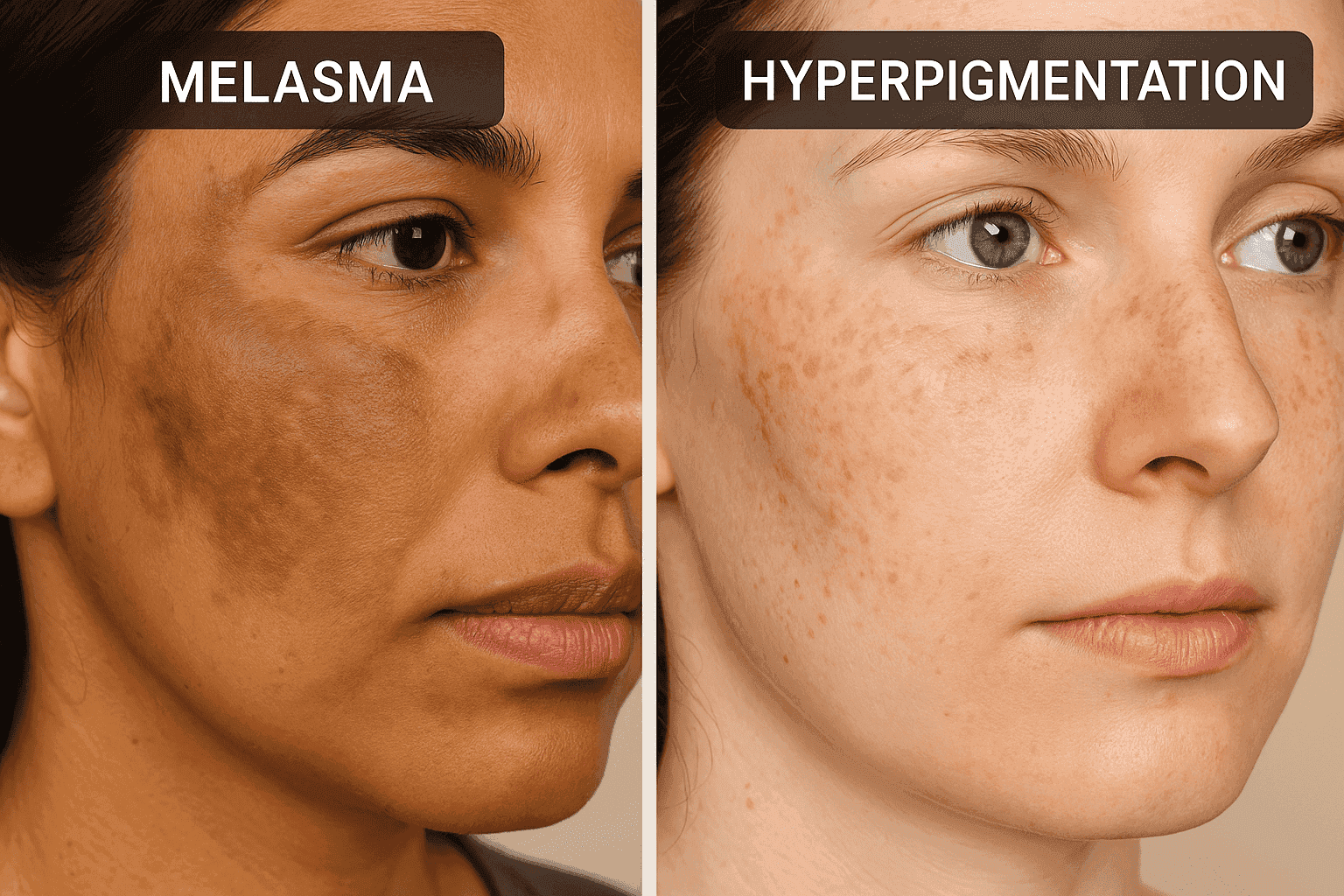
Melanin distribution becomes irregular too. Not necessarily hyperpigmentation in the classic sense, but uneven melanocyte activity across different facial zones. Some areas overproduce pigment while others lag behind. The inconsistency creates an overall impression of muddiness rather than clarity.
Barrier dysfunction plays its part as well. When the stratum corneum loses integrity, transepidermal water loss increases. Dehydrated surface cells scatter light poorly. They also trigger inflammatory cascades that further disrupt normal cellular function. The cycle perpetuates itself.
How PDRN Addresses Cellular Dysfunction
PDRN works through adenosine receptor activation, specifically the A2A receptor subtype found abundantly in skin cells. This activation triggers cascading effects throughout multiple cellular pathways simultaneously.
First, it modulates fibroblast activity. Studies show PDRN stimulates collagen type I and III production while regulating matrix metalloproteinases that break down existing collagen. This dual action helps restore dermal density and organization. Research published in the Journal of Cosmetics, Dermatological Sciences and Applications demonstrates how PDRN’s multi-pathway fibroblast modulation restores dermal structure, which directly impacts how light interacts with skin.
The anti-inflammatory effects matter just as much. PDRN suppresses pro-inflammatory cytokines like IL-6 and TNF-alpha while promoting anti-inflammatory mediators. This creates a cellular environment where melanocytes function normally rather than responding to constant inflammatory signals that trigger excess pigment production.
DNA repair acceleration represents another key mechanism. PDRN provides nucleotide building blocks that cells use to fix damaged genetic material. Better DNA integrity means better cellular function across the board. Metabolic processes normalize. Protein synthesis improves. Cell turnover rates stabilize.
Mitochondrial function gets a boost too. Energy production increases when cells can repair oxidative damage more efficiently. More ATP means cells can perform their normal activities rather than just surviving in a compromised state.

The Melanin Regulation Connection
PDRN doesn’t directly inhibit tyrosinase like traditional brightening agents. Instead, it creates conditions where melanin production naturally regulates itself.
Inflammation drives melanogenesis more than most people appreciate. Chronic low-grade inflammation keeps melanocytes in a hyperactive state. By reducing inflammatory signaling, PDRN allows melanocytes to return to baseline activity levels. Pigment production becomes more uniform across facial zones.
Oxidative stress also stimulates melanin synthesis as a protective response. When PDRN improves cellular antioxidant capacity and DNA repair, cells need less protective pigmentation. The melanocytes simply produce less because the trigger diminishes.
Combination approaches work particularly well here. Research shows that PDRN combined with vitamin C and niacinamide attenuates skin pigmentation more effectively than any single ingredient alone. The PDRN handles cellular repair and inflammation while the other ingredients target specific melanogenesis pathways. Each component enhances the others.
This explains why PDRN-based brightening treatments often show progressive improvement rather than immediate lightening. The skin rebuilds its foundation first. As cellular function normalizes, pigmentation patterns gradually even out. Takes longer than a simple tyrosinase inhibitor, but the results tend to last because the underlying dysfunction gets addressed. For deeper analysis of melanin regulation, see our guide on PDRN and hyperpigmentation.
Barrier Restoration and Surface Radiance
Skin barrier integrity directly impacts perceived brightness. A healthy stratum corneum reflects light evenly and maintains optimal hydration levels that create natural luminosity.
PDRN strengthens barrier function through multiple mechanisms:
- Enhanced ceramide synthesis from improved fibroblast metabolic activity
- Better natural moisturizing factor production as cell turnover normalizes
- Reduced inflammatory damage to lipid structures between corneocytes
- Improved aquaporin expression for better water transport
The barrier improvements show up visibly within weeks. Skin looks plumper and more reflective. Fine surface irregularities smooth out. Light scatters more uniformly across the face.
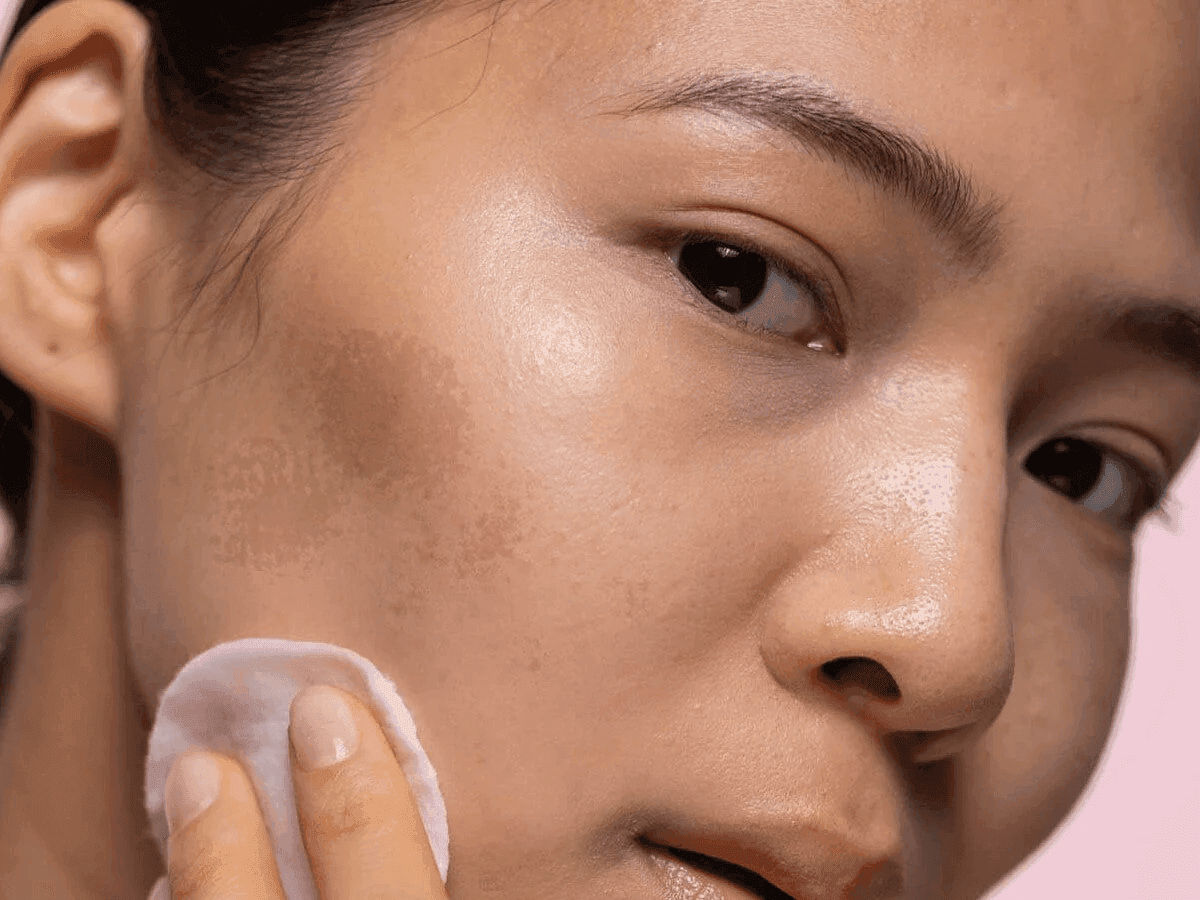
Dehydration-related dullness resolves faster than pigmentation issues. Once cells can maintain proper moisture levels, that flat, tired appearance lifts noticeably. The skin regains what aestheticians call “inner glow” because it genuinely is better hydrated at cellular levels.
Texture refinement happens concurrently. As cell turnover rates normalize and dead cells shed properly, surface smoothness improves. Smoother surfaces reflect light more effectively than rough ones. Simple physics, but it makes a measurable difference in perceived radiance.
Clinical Application Approaches
PDRN delivery methods vary significantly in effectiveness. Injectable forms provide highest bioavailability but require professional administration. Topical formulations offer convenience but face absorption challenges.
Injectable PDRN for brightening typically uses mesotherapy protocols. Small volumes (usually 2-3ml per session) get distributed across treatment areas using multiple superficial injections. Most practitioners recommend sessions every two to three weeks for a series of four to six treatments initially.
The injection depth matters. Too superficial and the PDRN gets lost in the stratum corneum. Too deep and it misses the target cell populations in the upper dermis. Experienced injectors aim for the papillary dermis where fibroblasts and inflammatory cells concentrate.
Topical PDRN formulations need penetration enhancers to reach viable cell layers. Studies indicate PDRN shows promise as a skin anti-aging agent when formulated properly. Liposomal delivery systems, microneedle patches, and iontophoresis protocols all show varying degrees of success. For a deep dive into these challenges, see our article on PDRN absorption and bioavailability.
Combination treatments amplify results:
- PDRN plus laser resurfacing (PDRN accelerates healing while laser removes damaged surface layers)
- PDRN with chemical peels (addresses both surface exfoliation and deeper cellular repair)
- PDRN alongside targeted brightening serums (multi-level approach to pigmentation)
- PDRN combined with microneedling—see our guide on PDRN and microneedling results
Timing matters too. PDRN works best as a foundation treatment that creates optimal cellular conditions for other interventions. Starting with PDRN before adding aggressive brightening agents often produces better outcomes than the reverse sequence.
Expected Timeline and Results
Brightening effects from PDRN follow a predictable but gradual progression. Unlike acids or retinoids that show visible changes within days, PDRN-based improvements accumulate over weeks to months.
First changes appear around the two to three week mark. Skin texture smooths slightly. Surface hydration improves noticeably. The flat, tired appearance starts lifting even though pigmentation hasn’t changed yet.
Weeks four through eight bring more obvious brightening. Melanin distribution becomes more uniform. Dark areas lighten incrementally while overall tone evens out. The skin develops better light reflectance properties as dermal structure improves.
Months three through six show continued progression. Fine pigmentation details keep refining. The skin maintains brightness more consistently rather than fluctuating with stress, sleep quality, or environmental factors. This stability indicates the cellular foundation has genuinely improved rather than just responding to temporary interventions.
Long-term maintenance varies by individual. Some people maintain results with quarterly PDRN sessions. Others need monthly treatments. Topical PDRN products used consistently between injectable sessions help extend benefits.
Realistic expectations matter. PDRN won’t erase deep pigmentation from years of sun damage in a few treatments. It won’t transform skin tone beyond genetic baseline. What it does accomplish: restoring the natural radiance that cellular dysfunction has suppressed. Skin looks like a healthier, better-functioning version of itself. For more on treating UV-induced changes, explore our article on PDRN and sun damage.
Limitations and Considerations
PDRN isn’t a universal solution for all types of dullness. Certain conditions respond better than others.
Age-related dullness from accumulated cellular damage responds particularly well. The repair mechanisms PDRN activates directly address the underlying problem. Younger skin with dullness from temporary factors (stress, poor sleep, dehydration) might not show dramatic improvement because the cellular machinery already functions adequately.
Melasma and post-inflammatory hyperpigmentation need more targeted approaches. PDRN helps by reducing inflammation and improving overall skin function, but dedicated pigment-inhibiting ingredients work faster for these specific conditions. Best used as part of a comprehensive protocol rather than monotherapy.
Skin sensitivity varies. Most people tolerate PDRN well since it’s a naturally occurring substance. But injectable protocols can trigger temporary inflammation or mild swelling. Topical formulations occasionally cause irritation, particularly when combined with penetration enhancers.
Cost considerations matter too. Professional PDRN treatments aren’t cheap. A series of injectable sessions plus maintenance treatments represents significant investment. Whether the gradual, foundational improvements justify the expense depends on individual priorities and budgets.
Source quality affects outcomes. PDRN extracted from salmon DNA undergoes purification processes that vary between manufacturers. Higher purity products generally perform better but cost more. Some cheaper formulations contain insufficient active ingredient concentrations to produce meaningful results. For a critical look at what research actually supports, see our analysis of PDRN efficacy and the data behind the claims.
Integration with Existing Skincare Protocols
PDRN fits into brightening regimens as a foundational treatment rather than a replacement for proven ingredients. Think of it as optimizing the cellular environment so other actives work more effectively.
Morning routines can include topical PDRN products alongside antioxidants. The combination makes sense: PDRN repairs cellular damage while vitamin C, vitamin E, or ferulic acid prevent new oxidative stress. Apply PDRN first (it needs to reach deeper layers), then layer antioxidants over it.
Evening protocols might pair PDRN with retinoids or AHAs. The PDRN supports cellular turnover and repair processes that these ingredients stimulate. Some practitioners recommend alternating nights rather than using everything simultaneously to avoid overwhelming the skin.
Professional treatments create optimization windows. Getting PDRN injections before starting aggressive brightening protocols prepares the skin to handle those interventions better. The improved cellular function means faster healing, less irritation, and potentially better results from subsequent treatments. For clinical implementation guidance, explore our practitioner’s overview of PDRN in aesthetic medicine.
Sunscreen remains non-negotiable. PDRN helps repair existing damage and improve cellular function, but it doesn’t prevent new UV damage. Daily broad-spectrum protection ensures the brightening improvements don’t get undermined by continued photoaging.
Patience proves essential. PDRN doesn’t deliver Instagram-worthy before-and-after photos in two weeks. The value lies in sustainable improvement that addresses root causes rather than just masking symptoms. This approach appeals more to people seeking long-term skin health than quick cosmetic fixes.
Future Directions in PDRN Brightening Research
Current research explores optimizing PDRN formulations and delivery methods specifically for pigmentation concerns. Several promising directions could enhance its brightening applications.
Targeted molecular weight fractions might work better for specific concerns. PDRN contains nucleotide chains of varying lengths. Some evidence suggests shorter fragments penetrate better topically while longer chains might stimulate stronger cellular responses. Manufacturers are investigating optimal molecular weight ranges for brightening versus other applications.
Combination molecules represent another frontier. Linking PDRN to specific peptides or growth factors could direct it more precisely to melanocytes or fibroblasts. This targeted delivery might produce stronger brightening effects with lower doses.
Novel delivery systems keep evolving. Microneedle patches impregnated with PDRN show promise for home use. Ultrasound-assisted penetration might enhance topical absorption without injections. Sustained-release formulations could extend the active period from single applications.
Dosing optimization remains an open question. Current protocols mostly adapted from wound healing applications. Research specifically examining brightening endpoints could refine treatment frequency, injection volumes, and concentration parameters.
Biomarker studies might eventually predict who responds best. If researchers can identify genetic or metabolic markers associated with strong PDRN response, practitioners could better select appropriate candidates rather than using trial-and-error approaches.
The fundamental appeal of PDRN for brightening lies in its biological logic. Rather than forcing cellular processes through single-pathway inhibition, it supports the natural mechanisms that maintain healthy, radiant skin. As formulations improve and delivery methods advance, this approach will likely become more accessible and effective for addressing dullness at its source.