

Most undereye treatments miss the real problem, which is weak skin structure. Creams try to bleach pigment, fillers try to hide hollows, but the skin itself often stays thin and tired. This is where PDRN for undereye treatment starts to look interesting.
Early data on PDRN around the eyes is small, but it is not hype alone. A 2025 paper on periocular aging reported structural changes in the dermis after PDRN, not just surface glow. The authors showed that PDRN activated fibroblasts through several pathways and helped restore the dermal matrix in the eye area.1
The goal of this article is simple. It explains what PDRN actually does under the eye, what it can and cannot fix, and how a smart patient or practitioner can judge if it fits a treatment plan.

What PDRN Is And Why It Matters Under The Eye
PDRN, or polydeoxyribonucleotide, is a DNA fragment mixture. It is usually sourced from salmon or trout. These fragments act as building blocks and as signals inside the skin.
In simple terms, PDRN supports three main actions. It supports repair of damaged tissue, it improves the local skin environment, and it calms some forms of low grade inflammation.
For readers who want a broader base, a full review of the ingredient is given in the guide on what PDRN is and how it works. The undereye story fits inside that larger science.
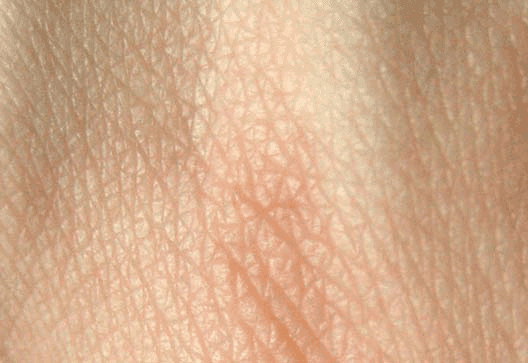
Under the eye, the skin is thin, blood vessels sit close to the surface, and fat pads and bone shape show easily. Any ingredient that only brightens pigment will miss issues like collagen loss and hollowing. PDRN is interesting because it acts on fibroblasts, the cells that build collagen and elastin.
Why Dark Circles And Lines Form In The First Place
Undereye issues rarely have a single cause. The same person may have thin skin, volume loss, vessel show through, and some pigment from sun exposure.
Main drivers of undereye dark circles
There are four common patterns.
First, there is vascular show. The skin is thin, so blue or purple vessels show through. The circle may look worse in the morning or with fatigue.
Second, there is true pigment in the skin. This may link to sun exposure, genetics, or chronic rubbing from allergies or eye strain.
Third, there is shadowing from hollows. The tear trough deepens, light hits the hollow, and a dark line appears even if the skin is clear.
Fourth, there is texture change. Fine lines and crepey skin scatter light and make the area look dull and tired.
PDRN does not fix bone shape or deep fat loss. It also does not work as a direct bleach for pigment. What it can do is improve the quality and thickness of the skin that covers all those structures.
How PDRN Works In The Undereye Area
PDRN has a specific interaction with the adenosine A2A receptor. This receptor sits on many skin cells, including fibroblasts and cells that line blood vessels.
When PDRN activates this receptor, several helpful effects follow. Fibroblasts increase collagen and other matrix proteins. Local blood flow improves. Inflammation markers can shift toward a more healing profile.
An eye area study from 2016 looked at PDRN based injections in the periorbital zone and reported improvement in wrinkles and skin texture without major side effects.2 While the sample size was limited, the pattern fits what is seen in wound repair work with PDRN.
Clinics that use PDRN for dark circles often describe it as a skin quality treatment. That phrase can sound vague, but in practice it means better thickness, smoother surface, and more uniform light reflection.
A summary from one aesthetic clinic noted that PDRN injections in the tear trough helped with fine lines, mild hollows, and color caused by visible vessels, not only by adding volume but by improving skin support.https://aestha.co.uk/eyebags-and-tear-trough-treatment-with-pdrn/?srsltid=AfmBOop30a73VviXHY-e9i7reSecNpubxmaIMPuI7qUxpzjjFv_IBe-8
PDRN Compared With Traditional Undereye Treatments
The undereye area already has several treatment classes. Each has clear strengths and limits.
Fillers
Hyaluronic acid fillers can support volume and reduce shadows. They work best when the main problem is a deep tear trough and not much pigment.
Fillers do not improve skin quality by much. They also carry risk in the eye area, including puffiness, Tyndall effect, and rare vascular issues. PDRN is often used as a gentler choice for patients who want some lift and better texture without a large volume change.
For clinicians who mix these tools, a separate guide on combining PDRN with fillers safely reviews key spacing rules and safety points.
Topical brighteners and lasers
Topical pigment agents help when true brown pigment is present. Lasers and energy devices can also target pigment or stimulate collagen.
The catch is that the undereye area tolerates heat and strong acids poorly. Over treatment can leave the skin even thinner. PDRN fits as a supportive therapy around such treatments, helping repair and calming some irritation.
Energy devices and microneedling
Microneedling and gentle RF devices can trigger collagen. They can work well in a staged plan.
There is early interest in pairing them with PDRN. One microneedle study on the eye area used a different active, but it showed that nano microneedles can improve infraorbital color.https://pubmed.ncbi.nlm.nih.gov/32783330/ PDRN can be used in a similar delivery style, but real world protocols are still evolving.
Readers who want a deeper look at this idea can review the article on PDRN and microneedling expectations.
What Actual PDRN Undereye Protocols Look Like
There is no single global protocol, but many clinics follow a pattern.
A typical course includes several sessions spaced a few weeks apart. A common structure is three to six sessions with two to four weeks between each visit.
A very general protocol may look like this.
- Careful exam of the tear trough, pigment, and fat pads.
- Topical numbing, then a series of micro injections or cannula passes.
- Light massage, cooling, and simple aftercare advice.
Some clinics prefer micro bolus injections placed in a grid. Others prefer a thin line along the orbital rim with a soft cannula. The product is usually placed in the superficial fat or deep dermis, not very close to the surface.
A number of providers also use PDRN eye mesotherapy devices that deliver tiny amounts with fine needles.https://www.dermaxmed.com/what-is-pdrn-treatment-for-eyes.html Technique choice often depends on training and on the specific product.
Detailed injection protocols are covered in the guide on PDRN injection techniques for practitioners.
What Kind Of Results Are Realistic
Undereye PDRN treatment is not a single shot solution. Patients should expect gradual change, not a dramatic overnight shift.
The most consistent gains reported by practitioners include these points.
- Fine lines soften and the skin folds less on smiling.
- The surface looks smoother, with less crepe and dullness.
- Blue or purple tones reduce a little as thickness improves.
Hollows that come from bone shape or strong fat pad loss may not improve much. Deep grooves often still need filler or another volumizing method.
A 2025 periocular aging study reported visible improvement in wrinkles and dermal structure after PDRN, with better fibroblast activity and matrix density in treated skin.https://www.scirp.org/pdf/jcdsa_1050796.pdf The authors stressed that texture and firmness gains explained much of the visual change.
The article on PDRN efficacy and clinical data gives more detail on how to read such studies with a critical eye.
Safety, Risks, And Regulatory Reality
PDRN is not a filler and not a toxin. It sits in a separate class and that matters for safety and regulation.
Allergic reactions are rare, but are still possible, because PDRN is derived from fish DNA. Most products go through a high purification process, yet a good history of fish allergy is still important.
Common short term issues are mild swelling, small bruises, and a sense of tightness for a day or two. The undereye area is prone to bruising, so patients should expect at least some downtime, even if brief.
Regulatory status varies by region. In many places, PDRN devices are cleared as skin boosters or tissue repair aids, not as drugs for dark circles. Readers who want a detailed view of this patchwork can review the guide on global PDRN regulatory status.
Because the eye area is high risk, PDRN injections should be limited to trained medical staff with strong anatomy skills. A product that seems gentle can still cause trouble in the wrong plane.
Where PDRN Fits In A Full Eye Rejuvenation Plan
The smartest use of PDRN under the eye is as part of a stacked plan. It is usually not the only tool, and it should not try to be.
A typical tiered approach may involve the following mix.
- PDRN for skin quality, texture, and mild color improvement.
- Small volume filler for deep hollows, when indicated.
- Gentle pigment control for true brown discoloration.
- Lifestyle and sun care support to prevent new damage.
Clinics that already use PDRN in other zones, such as hand rejuvenation, often find it natural to extend it to the eye area. The article on PDRN for hand rejuvenation gives a sense of how protocols adapt to delicate skin.
For practitioners building full face plans, the overview on PDRN in aesthetic medicine helps place the eye area inside wider treatment strategy.
Who Is A Good Candidate For PDRN Undereye Treatment
PDRN tends to suit certain patterns better than others. When patients match these patterns, satisfaction is usually higher.
Ideal candidates often share these features.
- Fine lines and crepey skin rather than deep etched folds.
- Mild to moderate dark circles with mixed causes.
- Thin skin with vessel show, but not heavy bags or bulges.
Patients with heavy fat pads, strong festoons, or clear herniation of lower lid fat usually need surgical help instead of, or before, PDRN. Those with pure brown pigment may gain more from targeted pigment work.
Expectations are also key. PDRN works best for patients who value natural, subtle change and can commit to several visits.
How To Evaluate Claims And Choose A Provider
Marketing for new undereye treatments can be aggressive. A careful reader can still sort useful options from noise.
Two filters help.
First, ask if the claims match the type of evidence. For example, a case series or small trial can support phrases like “improved fine lines” or “better texture”. It does not justify bold claims about complete removal of bags.
Second, look at how the provider explains the plan. A serious clinic will talk about structure, pigment, and volume, not just a single product. It will also explain why PDRN fits a specific concern and what it cannot change.
Clinicians who want deeper training in PDRN methods, including safe injection near the eye, can review the guide on PDRN training and certification options.
For general readers, a short consult with a board certified dermatologist or oculoplastic surgeon is the best next step. Those specialists see the limits of each method every day and can build a plan that respects both safety and aesthetics.
Final Thoughts
PDRN for undereye treatment is not magic, but it is not fluff either. The mechanism is grounded in fibroblast activation and tissue repair, and early periocular data supports real, if modest, gains in texture and fine lines.
The treatment makes the most sense as a skin quality upgrade, layered with smart volume work and pigment control when needed. Patients who expect a gradual lift in freshness rather than a total reset are the ones who tend to call it worthwhile.
As more controlled trials report on eye area outcomes, protocols will tighten and dosing will standardize. For now, PDRN is a useful tool in skilled hands, as long as both patient and clinician stay honest about what biology can and cannot do under such thin skin.
Footnotes
-
Cited from the study “Multi-Pathway Fibroblast Modulation by PDRN Restores Dermal Structure and Improves Periocular Aging” in the Journal of Cosmetics, Dermatological Sciences and Applications. ↩
-
Based on data from “New medical approach for rejuvenation of the periorbital area” in Clinical and Medical Investigations.https://oatext.com/pdf/CMI-1-106.pdf ↩