

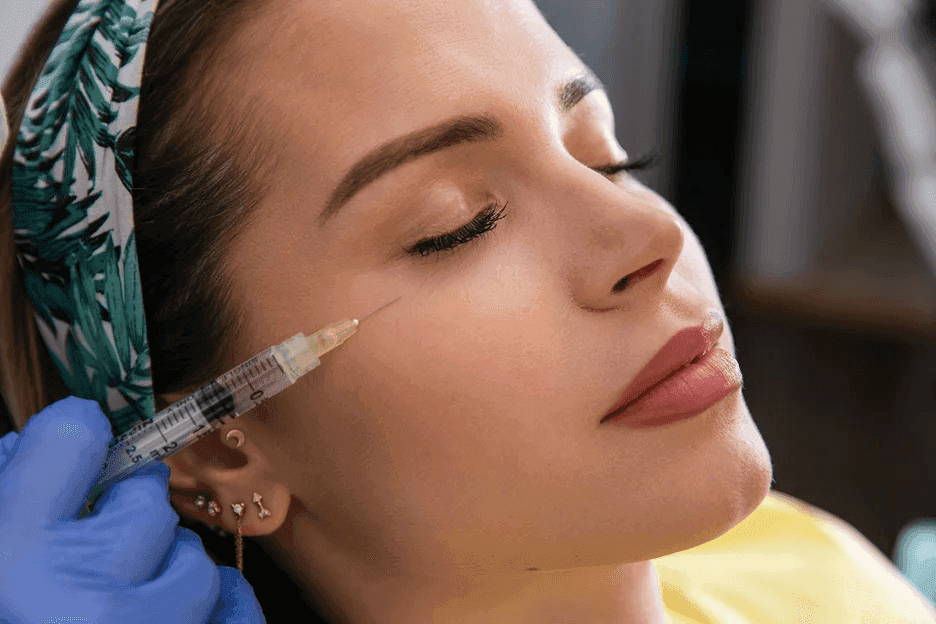
Practitioners familiar with regenerative aesthetics keep encountering the same compound lately. Polydeoxyribonucleotide, or PDRN, shows up in research journals, conference panels, and supplier catalogs with increasing frequency. Clinical interest has accelerated precisely because this isn’t another hyaluronic acid derivative or peptide blend that sounds revolutionary but delivers incremental results.
The molecule works differently. Extracted from salmon or trout DNA (specifically sperm cells, which sounds odd until you understand the extraction chemistry), PDRN consists of DNA fragments with specific chain lengths. These aren’t random genetic snippets. They’re precisely sized polynucleotide sequences, typically between 50 and 1,500 base pairs, that trigger adenosine A2A receptors in human tissue.
What makes this relevant for aesthetic practice? The compound doesn’t just hydrate or temporarily plump. It actually stimulates fibroblast proliferation and increases vascular endothelial growth factor (VEGF) production. Real cellular activity, not surface improvement. For a foundational understanding, see our complete guide to PDRN.
How the Mechanism Actually Works
PDRN operates through adenosine receptor activation. Specifically the A2A subtype.
When these polynucleotide fragments enter tissue, they bind to adenosine receptors on cell surfaces. This triggers a cascade. Fibroblasts start dividing more actively. Collagen synthesis ramps up (both type I and type III). New blood vessel formation begins through VEGF signaling. The tissue literally builds new structural components instead of just swelling with filler material.
But there’s more happening. The compound demonstrates anti-inflammatory properties that prove useful in post-procedure healing. It reduces oxidative stress markers while promoting tissue repair pathways. Research shows PDRN activates salvage pathways for nucleotide metabolism, which matters because aging skin loses efficiency in these recycling processes.
The molecular weight matters tremendously. Shorter chain fragments (under 50 base pairs) don’t produce the same receptor activation. Longer chains (over 2,000 base pairs) can trigger immune responses. The therapeutic window sits precisely in that 50-1,500 range, which explains why extraction and purification protocols matter so much for clinical products.
Clinical Applications Practitioners Use Most
Skin rejuvenation represents the primary use case. Makes sense given the mechanism.
Practitioners inject PDRN for fine lines, skin texture improvement, and overall rejuvenation in areas that don’t respond well to traditional fillers. The periorbital region works particularly well since you’re not adding volume but actually improving tissue quality. Same logic applies to neck treatments, where adding filler often looks unnatural but better skin structure produces visible results.
Scar revision comes up frequently in treatment protocols. The compound helps remodel scar tissue through that same collagen synthesis pathway. Atrophic acne scars show measurable improvement after serial treatments. Post-surgical scars respond too, though results vary based on scar maturity and location.
Hair restoration protocols increasingly include PDRN. Injected into the scalp, the growth factors and improved microcirculation benefit follicle health. Practitioners combine it with PRP or use it standalone. The VEGF production particularly matters here since follicle miniaturization involves reduced blood supply.
Stretch mark treatment. Under-eye hollowing without adding filler volume. Skin laxity improvement in areas where threads or ultrasound don’t make sense. The applications keep expanding, including specialized protocols for hand rejuvenation, treating hyperpigmentation, and reversing sun damage.
Treatment Protocols and Administration
Injection technique varies by indication and practitioner preference.
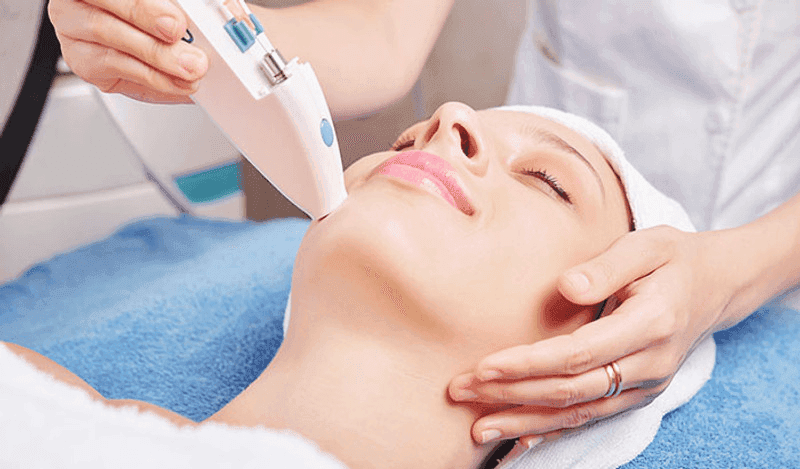
Most use serial microinjections with a mesotherapy approach. Multiple small deposits across the treatment area rather than bolus injections. Typical depth sits in the mid-dermis, though some practitioners go deeper for specific applications. Needle gauge usually runs 30-32G to minimize trauma while maintaining flow.
Volume per session ranges considerably. Facial treatments might use 2-4 mL total. Larger areas like the neck or décolletage can go up to 5-6 mL. The concentration matters as much as volume since products vary from 0.5% to 2% PDRN content.
Treatment frequency follows patterns:
- Initial series typically consists of 3-4 treatments
- Spacing runs every 2-3 weeks during initial phase
- Maintenance treatments happen every 3-6 months
- Some practitioners front-load with weekly treatments for first month
Results don’t appear immediately. This isn’t filler. The cellular changes take time. Most patients notice improvement around week 4-6 after starting treatment. Peak results often show up at 3 months post-treatment as collagen remodeling continues.
Safety Profile and Contraindications
The safety data looks relatively clean. Probably because it’s not a xenograft situation despite coming from fish.
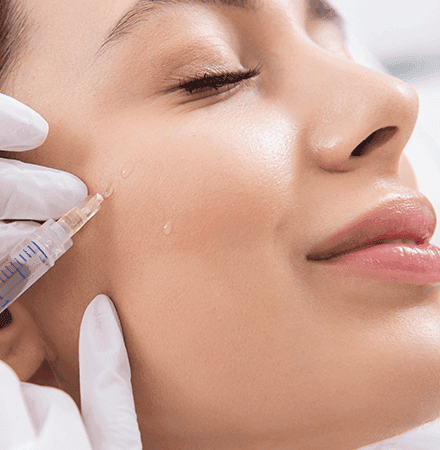
The DNA fragments are so processed and purified that they don’t contain proteins or cellular material that would trigger immune responses. Just nucleotide chains. Studies examining aesthetic applications show minimal adverse reactions beyond typical injection-related effects.
Common side effects match what you’d expect:
- Injection site redness and mild swelling
- Temporary bruising at injection points
- Slight tenderness for 24-48 hours post-treatment
- Occasional mild headache (likely from injection process rather than compound itself)
Serious adverse events remain rare in published literature. The main contraindications involve pregnancy and breastfeeding (standard precaution since long-term studies don’t exist for this population). Active skin infections at treatment site obviously rule out injection. Some practitioners avoid use in patients with autoimmune conditions though evidence for this restriction lacks solid data.
Allergic reactions to the compound itself barely appear in clinical reports. The fish DNA origin occasionally concerns patients who have seafood allergies, but the molecular structure after processing doesn’t retain allergenic proteins. Still, practitioners typically take thorough allergy histories.
Comparing PDRN to Other Regenerative Options
The aesthetic medicine space offers multiple regenerative approaches now. How does PDRN stack up?
PRP (platelet-rich plasma) remains the most established regenerative treatment. It uses the patient’s own blood-derived growth factors. PDRN offers consistency advantages since the composition doesn’t vary batch-to-batch like PRP can between draws. But PRP avoids any concerns about animal-derived material. Many practitioners combine both, using PRP for growth factor concentration and PDRN for the specific adenosine receptor activation.
Exosomes represent newer technology getting significant attention. These cell-derived vesicles contain growth factors, RNA, and signaling molecules. More expensive than PDRN typically. The regulatory landscape around exosomes remains murkier. PDRN has clearer approval pathways in most markets—see our PDRN regulatory status overview for regional guidance.
Peptide serums and injections work through different mechanisms entirely. They’re usually smaller molecules that signal specific cellular processes. PDRN’s mechanism through adenosine receptors offers broader tissue remodeling effects. Peptides might target collagen synthesis specifically while PDRN influences multiple pathways simultaneously.
Hyaluronic acid-based skin boosters hydrate and provide temporary structural support. PDRN actually changes the tissue itself rather than just hydrating. The longevity differs accordingly. HA metabolizes within months. PDRN’s effects on collagen production last longer since you’ve actually built new tissue. When combining these modalities, see our guide on PDRN with fillers.
Product Variations in the Market
Not all PDRN products match each other. Concentration varies significantly.
Some formulations contain 0.5% PDRN while others reach 2%. The molecular weight distribution matters too. Products with tighter molecular weight ranges (all fragments in that optimal 50-1,500 base pair window) theoretically perform better than those with wider distributions.
Purity standards differ between manufacturers. Pharmaceutical-grade extraction and purification costs more but removes potential contaminants. Some products add hyaluronic acid or other compounds to the PDRN base. These combination products aim for both immediate hydration (from HA) and longer-term regeneration (from PDRN).
The source material (salmon versus trout) doesn’t seem to produce clinically significant differences. Both work through the same mechanism. Geographic origin matters less than processing quality.
Storage requirements vary by product. Most require refrigeration. Some can tolerate room temperature. Practitioners need to check specific product guidelines since improper storage degrades the polynucleotide chains and reduces efficacy.
Current Research Directions
The evidence base keeps expanding. Systematic reviews examining polynucleotide applications in regenerative medicine identify areas where data remains limited despite clinical use.
Longer-term studies would help. Most published research follows patients for 3-6 months. What happens at 12 or 24 months? Do the tissue improvements persist? Does repeated treatment produce cumulative benefits or does effectiveness plateau?
Optimal dosing protocols need refinement. Practitioners use varying schedules based on experience rather than comparative data. Head-to-head studies comparing different treatment intervals and dosing would improve protocols.
Combination therapy research looks promising. How does PDRN perform when combined with microneedling? With laser resurfacing? With radiofrequency treatments? For realistic expectations on combinations, see our guide on PDRN and microneedling results. The wound healing properties suggest potential synergies but controlled studies remain limited.
Specific indication studies would strengthen clinical decision-making. Most research examines general skin rejuvenation. More focused studies on acne scarring, stretch marks, or hair loss would clarify where PDRN works best.
Practical Considerations for Implementation
Adding PDRN to an aesthetic practice involves several factors beyond just ordering product.
Patient selection matters. This treatment works best for patients seeking gradual, natural improvement rather than immediate dramatic change. Setting proper expectations prevents dissatisfaction. Patients need to understand the 4-6 week timeline for visible results and the need for multiple treatments.
Pricing strategies vary widely. Some practices price per vial used. Others create package pricing for treatment series. The cost sits between PRP and filler typically. Positioning it as a regenerative treatment rather than a filler alternative helps patients understand the value proposition.
Training requirements stay relatively straightforward for practitioners experienced with injectable treatments. The injection technique resembles mesotherapy. No specialized equipment needed beyond standard injection supplies. For those seeking formal credentials, explore PDRN training courses and certification programs.
Inventory management requires attention due to refrigeration needs and shelf life considerations. Ordering too much creates waste if product expires. Ordering too little means turning away patients or delaying treatment series.
Marketing the treatment requires education since many patients haven’t heard of PDRN yet. Before-and-after photos help, though the subtle, gradual improvements can be harder to capture dramatically compared to filler results. Written materials explaining the regenerative mechanism rather than just showing results help sophisticated patients understand the approach. For a critical look at marketing versus evidence, see our analysis of PDRN efficacy and the data behind the claims.
Looking Forward
PDRN represents a genuinely different approach in aesthetic medicine. Not revolutionary, but meaningfully distinct.
The mechanism through adenosine receptor activation and actual tissue regeneration separates it from temporary volumizers and simple hydrators. Clinical results support the biochemical rationale. Safety data looks reassuring. The treatment fits logically into comprehensive aesthetic protocols.
Practitioners benefit from understanding both the science and the practical application details. The molecular mechanism matters because it explains which applications make sense and which don’t. The treatment protocols matter because proper technique and scheduling affect outcomes significantly.
Expect continued research refinement. Better dosing protocols will emerge. Optimal combination approaches will get clarified. New applications will develop as practitioners gain experience. But the core value proposition seems solid enough that PDRN likely stays relevant in aesthetic medicine going forward rather than fading as another temporary trend.