

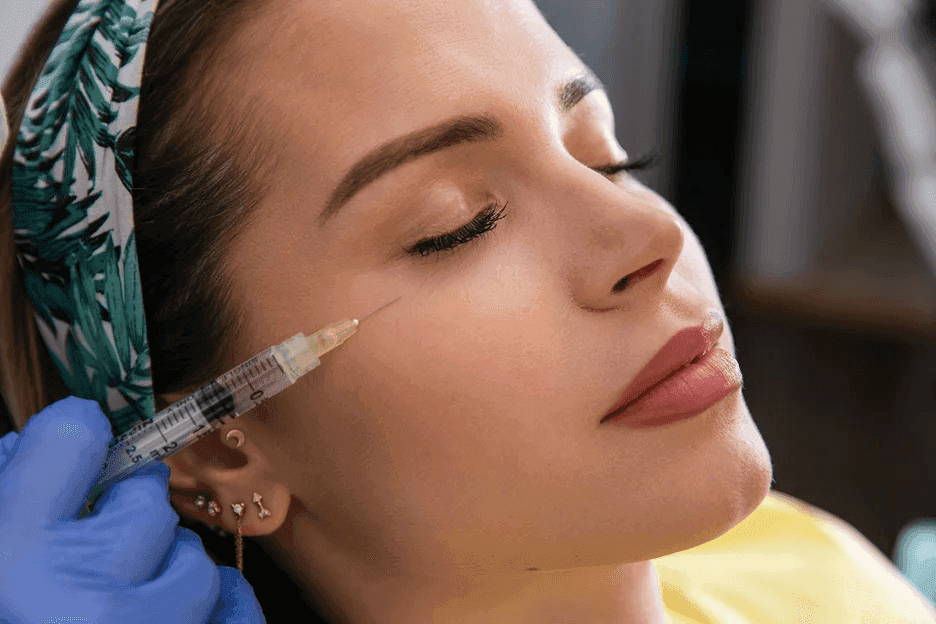
The loudest stories about PDRN are often the worst ones. A single viral post about a swollen face can feel more real than years of clinical use in clinics across Asia and Europe.
PDRN side effects are real, but many claims online are not. Some problems come from poor technique. Some come from fake products. Some are normal reactions that social media labels as disaster.
This article separates fear from facts so readers can judge PDRN safety with context.
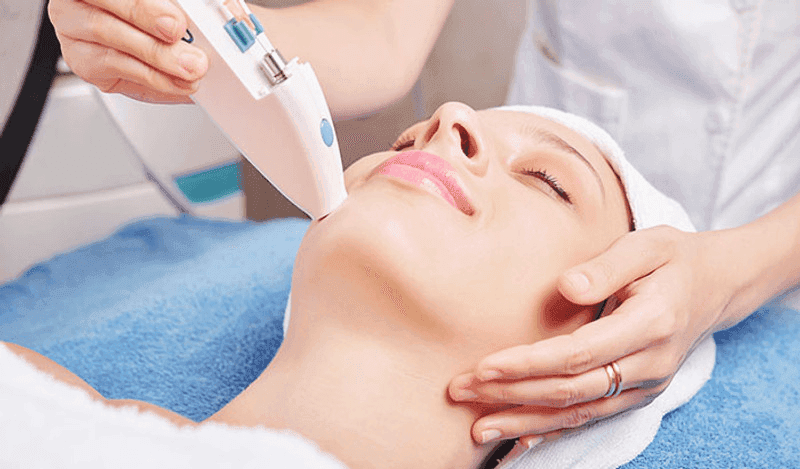
What PDRN Actually Is, And Why That Matters For Safety
PDRN stands for polydeoxyribonucleotide. It is a chain of DNA fragments. Most medical grade PDRN is sourced from salmon or trout sperm, then cleaned and processed.
These fragments signal skin cells to repair and calm inflammation. That is why PDRN is used for photoaging, scars, and recovery after procedures.
Clinicians who want a deeper science review often look at resources on what PDRN is and how it works. The key safety point is simple. PDRN is not a filler. It is not a toxin. It is a bio stimulator that nudges repair.
Because of that, the typical side effect profile looks closer to other skin boosters and mesotherapy than to surgery or deep filler work.
The Most Common PDRN Side Effects, Ranked By Frequency
Every aesthetic treatment has trade offs. PDRN is no different. The question is not “Is it risk free”. The question is “What tends to happen, how often, and how serious”.
Short term, expected reactions
Short term reactions are part of the process. They usually fade in hours or a few days.
Typical issues include:
- Small raised bumps at injection points that flatten within one or two days
- Redness in the treated area that lasts a few hours
- Mild swelling, often around the eyes or lips
- Light bruising where needles entered
These reactions come from the injection process, not from PDRN itself. Similar issues appear with hyaluronic acid skin boosters or basic mesotherapy.
Many clinics treat PDRN as a recovery tool after lasers or microneedling. That pattern supports what several medical writers note in reviews of PDRN safety in skin boosters. In practice, normal recovery reactions are expected and short.
Less common, but still mild
Less common reactions are usually tied to skin type, technique, or product choice.
These can include:
- Itching for one or two days
- Feeling of tightness or fullness in the area
- Temporary small nodules under the skin
When nodules appear, they usually come from shallow placement or product clumping. They tend to soften over time, helped by massage from the practitioner.
Real Risks: What Can Actually Go Wrong With PDRN
Serious problems with PDRN are rare in trained hands, but they do occur. A realistic safety guide must name them clearly.
Infection at the injection site
Any needle treatment can cause infection if hygiene fails. PDRN is no exception. Poor skin prep, non sterile tools, or contaminated vials all raise risk.
Clinics that treat PDRN as a medical procedure, not a beauty quick fix, lower this risk sharply. They follow medical cleaning standards and avoid mixing opened vials between patients.
Reports of problems in some markets, such as “PDRN healer gone wrong” stories, often link issues to poor infection control rather than to the molecule itself. One clinic review of such cases stresses that aseptic technique is the real dividing line between safe and unsafe use of PDRN boosters, not the ingredient alone, as discussed in detail in a report on PDRN complications in aesthetic practice.
Allergic or sensitivity reactions
True allergy to purified PDRN appears to be rare. However, products are not identical. They can contain carriers, preservatives, or other additives.
Some patients report rash, hives, or stronger swelling. In those cases, doctors must consider reactions to those extra components, not just the PDRN chains.
Clinics that work with sensitive skin often review the anti inflammatory profile of PDRN, which is covered in detail in guides on PDRN for sensitive skin and inflammation control. These sources point out that PDRN itself usually calms, rather than irritates, inflamed skin.
Vascular compromise and necrosis
Here is the risk that most viral stories highlight. If a product is injected into an artery, it can block blood flow and damage tissue.
That event is extremely rare with PDRN skin boosters for two reasons. First, most protocols use very small volumes per point. Second, most injections are placed very superficially, in the upper dermis.
The risk is higher when PDRN is combined with other injectables in one session. Practitioners who pair it with fillers must follow strict safety steps, such as those outlined in guides on combining PDRN with fillers safely.
Even so, any injection near high risk areas like the nose or glabella demands careful mapping and slow technique.
Myths That Keep Getting Repeated About PDRN Side Effects
Online discussion about PDRN mixes real concern with myths. Several claims repeat so often that they feel true, even when data does not support them.
”PDRN always causes swelling that lasts for weeks”
Long lasting swelling is not a normal outcome. When it occurs, there is almost always another factor.
Those factors can include:
- Very aggressive injection volume in one session
- Use of unregulated or counterfeit PDRN vials
- Hidden infection that was not treated early
Medical blogs that track PDRN outcomes across many patients report that typical swelling settles within days, not weeks. One safety review on whether PDRN is safe as a skin booster stresses that long edema usually signals a complication, not a standard side effect.
”Fish based PDRN will trigger seafood allergies”
This claim sounds logical at first, but it ignores how PDRN is made. The purification process strips away proteins that usually drive seafood allergy.
Most reports from clinics in Korea and Singapore, where PDRN use is common, do not show a clear link between known seafood allergy and higher reaction rates to PDRN injectables. Caution is still wise in any high risk allergy history, but the simple idea that fish source equals fish allergy does not match real world data.
”Topical PDRN has the same risks as injection”
Topical PDRN products work very differently. Absorption through the skin barrier is limited. This cuts both ways. Results are gentler, and so are risks.
A detailed guide on PDRN absorption and topical bioavailability explains that most large DNA fragments do not reach the deeper vessels that are involved in severe injection complications.
Topical use can still cause irritation, especially when paired with strong acids or retinoids. But the specific high level risks of vascular occlusion or deep nodules are linked mainly to needles, not creams.
What The Research And Clinical Experience Actually Show
PDRN has been used in wound care and aesthetic work for years in parts of Asia. That history gives useful insight, even if large Western trials are still limited.
A number of clinical summaries, such as an overview of PDRN efficacy and data, highlight two key points.
First, when used for skin quality and photoaging, PDRN tends to show steady gains in texture, fine lines, and barrier strength over several sessions. Second, recorded adverse events in those trials are usually mild and temporary, mainly bruising and swelling.
External overviews that answer basic questions about PDRN benefits, risks, and side effects reach similar conclusions. They list pain, bruising, and short redness as main side effects, and mark serious complications as uncommon in trained hands.
This does not mean PDRN is gentle in every setting. When protocols are pushed too hard, such as over treating thin under eye skin, swelling can be more marked. When combined with lasers and deep microneedling, inflammation loads stack. That is why careful planning of advanced PDRN with lasers and microneedling is central to safe practice.
Where Problems Really Start: Technique, Product, And Patient Choice
When PDRN goes wrong, patterns appear. It is rarely just the molecule.
Technique and training gaps
Aesthetic medicine has a training gap problem. Some providers learn complex injections from short workshops. That is not enough.
Safe PDRN injection demands skill in anatomy, depth control, and complication management. Structured education, such as formal PDRN training and certification courses, tends to cut risks. It sets clear rules on volume per point, spacing, and timing with other devices.
Clinics that skip this and follow only brand marketing often use the wrong pattern for the area. For example, they may copy cheek protocols directly under the eyes, where tissue is thinner and more reactive.
Product quality and sourcing
Not all vials that carry a PDRN label are equal. Some markets have seen fake or diluted products that claim high PDRN content but do not match lab tests.
Poor quality control raises two issues. First, unknown fillers or impurities may trigger reactions. Second, weak or unstable PDRN may push clinics to inject more volume, raising mechanical risk.
Education on safe sourcing, such as guides on where to buy PDRN and vet suppliers, is a key part of risk control.
Patient selection and timing
PDRN is not ideal for every patient or every moment. It can be a strong choice for thin, dry, sun damaged skin that still has reasonable healing ability. It is less ideal for those with active skin infections, uncontrolled autoimmune disease, or very unrealistic timing goals.
Serious clinicians place PDRN within a full treatment plan. That often includes staged work on sun damage and photoaging, then later support for scars or texture. Rushed, one off sessions just before major events tend to create stress and higher concern over even normal side effects.
How Responsible Clinics Explain PDRN Side Effects To Patients
Clear, calm counseling does more for safety than any social post. Clinics that handle PDRN well usually follow a structured approach.
A typical process can look like this:
- Baseline review of skin history, allergies, past procedures, and current medication.
- Explanation of expected reactions, such as bumps, redness, and short swelling.
- Discussion of rare risks, in plain language, without drama.
- Photo documentation before treatment, and sometimes during recovery.
- Written aftercare plan with exact do and do not items.
Aftercare guidance is critical. A clear protocol, such as the one outlined in many PDRN aftercare guides, can reduce infection risk and control extra inflammation.
When patients know that small bumps will flatten, and that bruises can appear even in expert hands, they are less likely to panic and seek unhelpful “fixes” that may worsen the situation.
The most important safety step is not a product choice. It is a provider choice.
Clinics that treat PDRN like a serious medical tool tend to have calm, boring complication logs. That is the goal.
PDRN Side Effects In Context: How It Compares To Other Options
Many patients compare PDRN with PRP, fillers, or classic skin boosters. Each has a different balance of effect, cost, and risk.
PRP uses the patient’s own blood, so allergy risk is low. But the quality of the sample can vary, and the process is longer. Fillers give structure and volume but carry a higher vascular occlusion risk.
PDRN sits in a middle ground. It does not create volume like a filler. It works on texture, tone, and fine lines over time. The side effect profile is usually closer to other fine skin boosters, with fewer dramatic events when used within guidelines.
One market overview of why PDRN products gained popularity notes that many clinics favor PDRN in patients who want visible skin quality gains but feel nervous about fillers or surgery.
That trend reflects how practitioners judge the risk to benefit ratio in daily work, not just in controlled trials.
Regulatory Reality: Safety Is Also A Policy Question
Regulators in different regions treat PDRN in different ways. Some markets classify certain products as medical devices or injectables, others see them as cosmetics.
A clear review of PDRN regulatory status and global compliance highlights one point that matters for side effects. When PDRN is regulated as a prescription injectable, quality and training standards are usually higher. That helps keep serious complications rare.
When it is sold freely online, untrained users may attempt self injection with no understanding of anatomy or sterile field. In those settings, side effects are more likely and more severe.
Patients who care about safety should ask direct questions. What is the exact product name. How is it classified in that country. What training does the injector hold for that product type.
The Bottom Line: PDRN Side Effects, Without The Hype
PDRN is not a miracle and not a villain. It is a bio stimulator with a side effect profile that is usually mild, but that can include serious events in the wrong hands.
The most common reactions are short bumps, redness, swelling, and bruising. True allergic events, infection, and vascular problems are rare, but real. Their likelihood rises when product quality, hygiene, or training fall.
For patients and clinics that want steady, science based support, the practical path is clear. Use regulated, authentic PDRN products. Work with providers who invest in real training and who can speak calmly about both benefits and risks. Treat aftercare as part of the procedure, not an afterthought.
Handled this way, PDRN becomes a controlled tool in a larger skin health plan, not a gamble with unknown odds.