

Polydeoxyribonucleotide therapy keeps expanding in aesthetic medicine. Medical professionals see growing demand from patients seeking regenerative treatments.
But here’s the problem. Most practitioners lack formal training in PDRN applications. The therapy requires specific injection techniques, dosage protocols, and safety knowledge that traditional medical education doesn’t cover. Without proper certification, practitioners risk poor outcomes or complications.
Specialized PDRN training programs have emerged to fill this gap. These courses teach doctors, nurses, and aestheticians how to safely administer polydeoxyribonucleotide treatments through structured curricula and hands-on practice. For foundational knowledge about this compound, see our complete guide to PDRN.
Why Practitioners Need PDRN Certification
Generic injection training doesn’t prepare medical professionals for PDRN therapy.
The substance behaves differently than hyaluronic acid fillers or neurotoxins. PDRN molecules stimulate cellular repair through nucleotide absorption, which requires understanding tissue regeneration mechanisms. Practitioners need to know optimal injection depths, appropriate needle gauges, and how to assess patient candidacy based on skin conditions.
Most importantly, certification programs teach practitioners to recognize contraindications. Patients with autoimmune disorders, active infections, or certain allergies may not be suitable candidates. Proper screening protocols prevent adverse reactions that could harm patients or damage a practice’s reputation.
Insurance considerations matter too. Many malpractice carriers require documented training for emerging aesthetic procedures. Certification provides legal protection if complications arise.
Core Components of PDRN Training Programs
Professional PDRN courses typically span multiple days with distinct learning phases.
Theoretical Foundation
Programs start with classroom instruction covering polydeoxyribonucleotide biochemistry. Instructors explain how salmon-derived DNA fragments promote fibroblast activity and collagen synthesis. Students learn the scientific evidence supporting PDRN for wound healing, skin rejuvenation, and scar reduction. For a critical look at what research actually supports, see our analysis of PDRN efficacy and the data behind the claims.
This phase also covers product selection. Different PDRN formulations vary in molecular weight, concentration, and viscosity. Paintless Dent Repair University offers structured approaches to technical skill development that parallel medical training methodologies. Practitioners need to match products to specific indications, whether treating under-eye hollows, acne scars, or overall skin laxity.
Hands-On Technique Training
The practical component separates quality programs from basic courses.
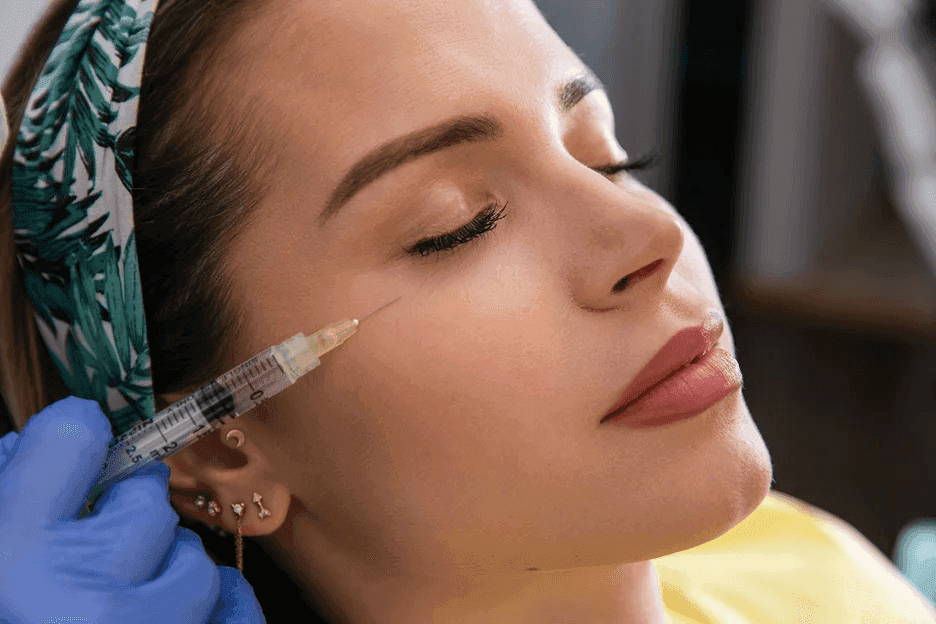
Students practice on training models before treating actual patients. Instructors demonstrate proper injection angles, aspiration techniques, and layering methods for optimal PDRN distribution. This phase typically includes:
- Facial anatomy review with focus on vascular danger zones
- Injection pattern mapping for different treatment areas
- Sterile technique and infection control protocols
- Pain management strategies during procedures
- Post-treatment care instructions for patients
Repetition builds muscle memory. Most programs require students to complete a minimum number of supervised injections before certification.
Patient Assessment Skills
Effective PDRN treatment starts with proper consultation.
Training programs teach structured patient evaluation methods. Practitioners learn to assess skin quality using standardized scales, photograph patients for treatment documentation, and set realistic expectations about results. Patient selection determines treatment success more than injection technique alone.
Programs also cover treatment planning. PDRN therapy often requires multiple sessions spaced weeks apart. Students learn to design treatment protocols based on patient goals, skin conditions, and budget constraints.
Certification Requirements and Credentials
Entry requirements vary by program and jurisdiction.
Most PDRN courses require active medical licensure. Physicians, nurse practitioners, physician assistants, and registered nurses typically qualify. Some programs accept licensed aestheticians in states where scope of practice permits injection procedures.
Prior injection experience helps but isn’t always mandatory. Programs designed for beginners include more foundational content, while advanced courses assume existing competency with needles and dermal techniques.
Certification usually requires:
- Attendance at all instructional sessions
- Passing written examinations on PDRN theory
- Demonstrating competency in practical assessments
- Completing case studies or treatment documentation
- Maintaining liability insurance coverage
Some organizations offer tiered certification. Basic credentials permit standard PDRN treatments, while advanced levels authorize complex combination therapies or training other practitioners.
Top Training Programs and Providers
Several established organizations deliver PDRN certification courses.
The Dent Academy demonstrates how specialized technical training prepares professionals for niche procedures. Their structured approach mirrors successful PDRN programs that emphasize both theory and hands-on mastery.
Reputable programs typically include:
Multi-Day Intensive Courses
These condensed programs pack training into consecutive days. Students receive materials in advance for pre-study, then attend full days of lectures and practical sessions. This format works well for busy practitioners who can’t commit to weekly classes.
Intensive courses usually cost more but provide immersive learning. Small class sizes ensure individualized attention during injection practice.
Modular Online and In-Person Hybrid Programs
Hybrid formats deliver theoretical content through online modules. Students complete coursework at their own pace, then attend in-person sessions for hands-on training.
This approach reduces time away from practice while maintaining quality practical instruction. Learn PDR shows how online training components can effectively teach technical skills when combined with supervised practice.
Ongoing Education and Refresher Courses
PDRN protocols evolve as research expands. Quality training organizations offer continuing education to keep practitioners current on new techniques, product innovations, and emerging evidence.
Some programs include membership benefits like access to expert consultation, case review forums, and discounted advanced training.
Practical Skills Developed Through Certification
Certified practitioners gain specific competencies beyond basic injection ability.
Treatment Protocol Design
Students learn to create customized PDRN regimens. A patient seeking acne scar improvement needs different injection patterns, product concentrations, and session spacing than someone wanting general skin rejuvenation.
Protocol development considers skin thickness, treatment area size, patient downtime tolerance, and budget. Practitioners balance clinical goals with practical constraints. Specific applications like hand rejuvenation or treating hyperpigmentation require distinct protocol approaches.
Complication Management
Even properly administered PDRN can cause adverse effects. Training covers recognition and treatment of:
- Injection site reactions like swelling or bruising
- Allergic responses to salmon-derived ingredients
- Infection from non-sterile technique
- Vascular occlusion from intravascular injection
- Granuloma formation from improper product placement
Certification programs teach emergency protocols and when to refer patients for specialized care. Quick response to complications minimizes harm and reduces liability exposure.
Patient Communication
Managing expectations prevents dissatisfaction.
PDRN works gradually through biological processes. Patients accustomed to immediate filler results may feel disappointed when improvements take weeks to appear. Training programs teach communication strategies to prepare patients for realistic timelines. For more on managing patient expectations, see our guide on PDRN and microneedling results.
Practitioners also learn to discuss costs transparently. PDRN therapy requires multiple treatments for optimal results. Upfront discussion about total investment prevents sticker shock and incomplete treatment courses.
Career Opportunities After PDRN Certification
Certified practitioners access multiple professional pathways.
Established aesthetic practices increasingly add PDRN to service menus. Doctors and nurses with certification become valuable team members who can deliver trending treatments that attract patients.
Some practitioners launch specialized PDRN clinics focused on regenerative aesthetics. This niche positioning differentiates them from competitors offering only traditional fillers and toxins. For a broader clinical perspective, explore our practitioner’s overview of PDRN in aesthetic medicine.
Additional Revenue Streams
PDRN treatments command premium pricing. The biological nature and multi-session protocols create ongoing patient relationships rather than one-time transactions.
Certified practitioners can also:
- Offer consultation services to practices adding PDRN
- Develop treatment protocols for specific conditions
- Create educational content for patient marketing
- Partner with PDRN product distributors for training delivery
Advanced certification enables practitioners to train others, creating teaching income alongside clinical revenue.
Choosing the Right Training Program
Not all PDRN courses deliver equal value.
Practitioners should evaluate programs on several criteria before enrolling. Instructor credentials matter most. Look for trainers with extensive PDRN clinical experience, not just certification in teaching. Active practitioners understand real-world challenges and can troubleshoot technique issues effectively.
Class size impacts learning quality. Groups larger than 15 students limit hands-on practice time and individualized feedback. Smaller cohorts cost more but provide better skill development.
Curriculum comprehensiveness separates basic courses from thorough programs. Quality training covers not just injection technique but also business aspects like treatment pricing, marketing strategies, and patient retention.
Post-certification support matters too. Programs offering ongoing consultation access, case review opportunities, and refresher training provide better long-term value than one-time courses with no follow-up.
Investment Considerations for Training
PDRN certification represents a significant financial commitment.
Course fees typically range from several hundred to several thousand dollars depending on program length, location, and included materials. This doesn’t include travel costs, accommodation for multi-day programs, or time away from practice.
Practitioners should calculate potential return on investment. How many PDRN treatments would need to be performed to recoup training costs? Does local market demand justify the expense?
Some considerations:
Startup costs beyond training include purchasing PDRN products, needles, sterile supplies, and patient education materials. Initial inventory investment can exceed training fees. Understanding PDRN regulatory requirements in your market is also essential before offering services.
Marketing expenses to attract PDRN patients add to total investment. Even certified practitioners need to build awareness and credibility in their markets.
But done right, PDRN services generate substantial revenue. The treatment’s regenerative focus appeals to patients seeking natural-looking, long-term improvements rather than temporary fixes.
Maintaining Certification and Skills
PDRN certification isn’t a one-time achievement.
Most certifying organizations require periodic renewal. This typically involves continuing education credits, case documentation proving ongoing clinical activity, and sometimes reassessment of skills.
Regular practice maintains competency. Practitioners who perform PDRN injections infrequently may experience skill degradation. Attending workshops, reviewing technique videos, and seeking peer feedback helps preserve abilities.
Staying current on research matters too. New studies regularly publish findings about PDRN applications, optimal protocols, and combination treatments like PDRN with fillers or applications for sun damage. Certified practitioners should engage with scientific literature to provide evidence-based care.
Professional networks support ongoing development. Many training programs create alumni communities where practitioners share cases, discuss challenges, and learn from collective experience.
Final Thoughts on PDRN Training
Proper certification separates competent PDRN practitioners from those attempting procedures without adequate preparation.
The therapy’s growing popularity creates opportunities for medical professionals willing to invest in quality training. Structured programs provide the knowledge, skills, and credentials necessary to safely deliver effective treatments.
Practitioners should approach PDRN certification as career development rather than quick credentialing. The best outcomes come from thorough training, ongoing education, and commitment to patient safety above all else.
Those serious about adding PDRN to their practice should research available programs carefully, consider their learning preferences and schedule constraints, and choose training that balances comprehensive education with practical application.
The investment pays dividends through expanded clinical capabilities, increased practice revenue, and the satisfaction of offering patients genuinely beneficial regenerative treatments.