


The skincare industry keeps pushing new solutions. But when clinics report different success rates with the same products, something’s off.
Both PDRN and peptides fall under the bio-stimulator category. They both claim to rebuild tissue and reverse aging signs. Yet they work through completely different pathways. One pulls from salmon DNA to activate specific cell receptors. The other uses amino acid chains to signal collagen production.
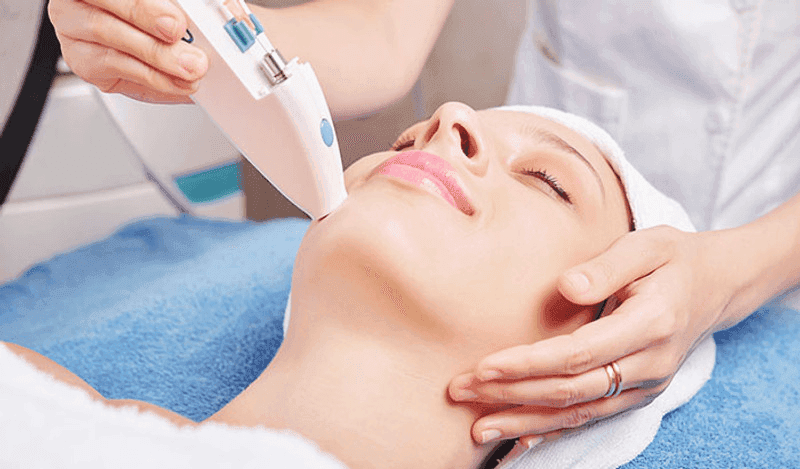
Choosing between them isn’t about which sounds more advanced. It’s about matching the mechanism to the problem.
How PDRN Actually Works
PDRN stands for polydeoxyribonucleotide. That’s a mouthful, but the function is straightforward.
Extracted from salmon or trout DNA, PDRN contains DNA fragments that bind to adenosine A2A receptors in human skin cells. This binding triggers tissue repair processes. Blood vessel formation increases. Inflammation drops. Collagen synthesis ramps up.
The science behind PDRN’s mechanism has been studied for decades, originally in wound healing. Clinics now use it for facial rejuvenation, hand treatments, and photoaging reversal.
PDRN works systemically once injected. It doesn’t just sit in one spot. The molecules circulate and activate repair mechanisms throughout treated areas. Results take time because you’re rebuilding tissue, not filling it.
What Peptides Do Differently
Peptides are short amino acid chains. Think of them as partial proteins.
When applied topically or injected, certain peptides send signals to skin cells. These signals can prompt collagen production, reduce inflammation, or strengthen the skin barrier. Different peptide types target different functions.
Matrixyl (palmitoyl pentapeptide) signals fibroblasts to make more collagen. Copper peptides help with wound healing and antioxidant activity. Argireline targets expression lines by affecting muscle contraction.
But here’s the catch.
Peptides struggle with absorption. Most can’t penetrate skin deeply when applied topically. According to research comparing active ingredients, peptide effectiveness depends heavily on delivery method and molecular size. Injectable forms work better, but topical products dominate the market.
Comparing Treatment Applications
Different problems need different solutions.
PDRN excels at:
- Deep tissue regeneration
- Sun damage and photoaging reversal
- Skin texture improvement
- Scar remodeling
- Hand rejuvenation where tissue has thinned significantly
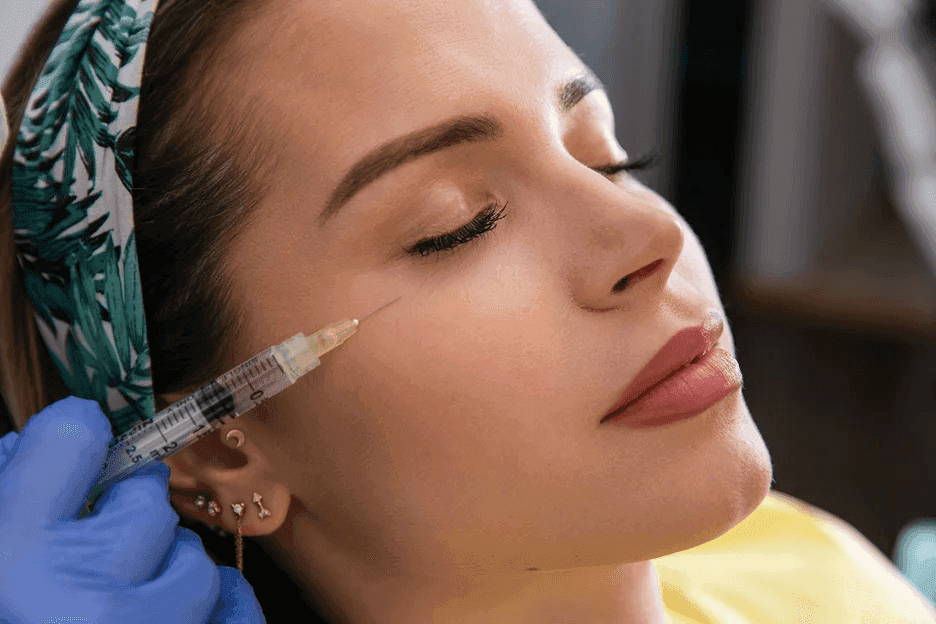
Clinics typically inject PDRN in multiple sessions. The standard protocol involves three to five treatments spaced two weeks apart. Treatment protocols for PDRN vary based on the concern being addressed.
Peptides work better for:
- Surface-level improvements
- Daily maintenance routines
- Mild fine lines
- Skin barrier support
- Preventive care in younger patients
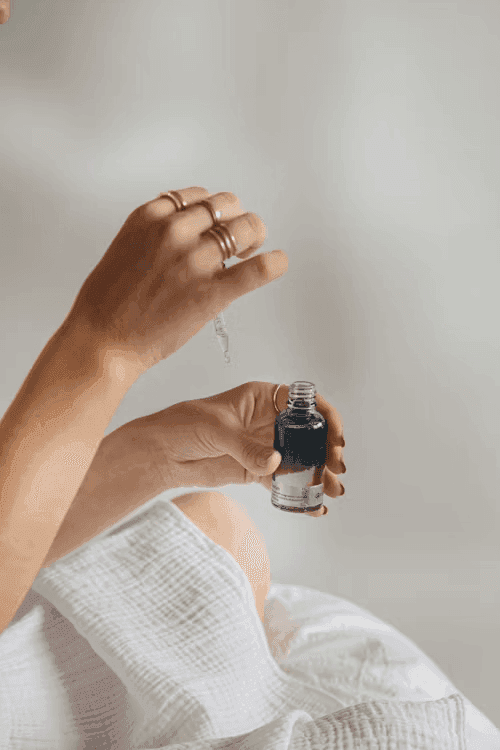
Peptides fit easily into home skincare routines. Serums, creams, and masks containing peptides can be used daily. Professional treatments exist but aren’t as common.
Clinical Results and Expectations
Results vary based on what you’re treating.
PDRN shows measurable improvements in skin elasticity and hydration after the full treatment series. Studies document increased dermal thickness on ultrasound imaging. Patients report visible changes around the six to eight week mark.
But it’s not instant. The tissue regeneration process takes time. Some practices combine PDRN with other treatments like microneedling or fillers for enhanced results.
Peptide results are subtler and more gradual. Regular use over months can improve skin texture and reduce fine lines. Clinical evidence supports their effectiveness, but expectations should match the gentler mechanism.
One isn’t universally better. They occupy different spaces in treatment planning.
Cost and Accessibility Factors
Price matters when choosing between options.
PDRN treatments cost more upfront. A single session typically runs several hundred dollars, and most patients need multiple sessions. The injection-based delivery requires a trained practitioner. Practitioners need proper training to administer PDRN safely and effectively.
Peptide products are widely available. Quality serums range from affordable to luxury pricing. No professional administration needed for topical forms. This makes them accessible for consistent, long-term use.
But accessibility cuts both ways. The peptide market includes many products with concentrations too low to matter or peptides too large to absorb. Finding effective formulations requires research.
Safety Profiles and Side Effects
Both options show solid safety records.
PDRN injections can cause temporary redness, swelling, or bruising at injection sites. These effects resolve within days. Allergic reactions are rare but possible. Proper product sourcing matters since PDRN regulatory status varies by region.
Peptides rarely cause issues when used topically. Sensitivity reactions occur occasionally, usually from other ingredients in the formulation rather than the peptides themselves. Injectable peptides carry standard injection risks.
Neither should be used during pregnancy without medical guidance. Both have contraindications worth discussing with a qualified practitioner.
When to Choose PDRN
Some situations clearly favor PDRN.
Advanced photoaging that has damaged deeper skin layers responds better to PDRN’s tissue regeneration approach. Sun damage reversal requires rebuilding compromised tissue, not just surface improvement.
Significant loss of volume or elasticity needs the deeper intervention PDRN provides. Hand rejuvenation serves as a perfect example where superficial treatments fall short.
Patients willing to commit to a treatment series and accept the higher cost get better outcomes with PDRN for moderate to severe concerns.
When Peptides Make More Sense
Peptides shine in different scenarios.
Early prevention in patients showing minimal aging signs doesn’t require aggressive intervention. Peptides offer a gentle approach that supports skin health without injections.
Ongoing maintenance between more intensive treatments works well with peptide products. They extend results from procedures like PDRN sessions or laser treatments.
Budget constraints or injection aversion make topical peptides the practical choice. Something beats nothing when it comes to skincare.
Combining Both Approaches
Many practices don’t force an either-or choice.
PDRN can address foundational tissue damage while peptides maintain results afterward. The regenerative effects of PDRN create a healthier canvas for other treatments to work on.
Some clinics incorporate peptide serums into post-PDRN care protocols. This layered approach maximizes benefits from both bio-stimulators.
Timing matters though. Certain combinations work better than others. Professional guidance helps avoid interactions or redundancy.
Making the Right Choice
Decision-making should start with honest assessment.
Evaluate the severity of concerns. Surface issues rarely need injectable treatments. Deep damage rarely responds to topicals alone.
Consider commitment level. PDRN demands multiple sessions and recovery time. Peptides require consistent daily use over months.
Budget plays a role, but shouldn’t be the only factor. Spending less on something ineffective wastes money just as much as overspending on unnecessary treatments.
Consult practitioners familiar with both options. They can assess skin condition, review medical history, and recommend based on realistic expectations rather than marketing hype. Understanding PDRN efficacy through actual data helps set those expectations appropriately.
The best bio-stimulator is the one that matches your specific situation. Not the one with the most impressive-sounding name.