

Most acne scar patients will try several treatments before seeing real change. Many still feel that progress is slow and skin texture stays uneven. PDRN gives clinics a way to support repair from inside the skin, not just on the surface.
PDRN, short for polydeoxyribonucleotide, is not a trend serum. It is a biologic drug class that has been studied for tissue repair, chronic wounds, and skin aging. In scar revision and acne care, PDRN is used to calm damage, support collagen repair, and help skin recover from stronger procedures.
When clinics treat acne scars with only one tool, like microneedling or peels, results can stall. PDRN adds a repair signal that keeps working between visits. This article explains how that works, where the science is strong, and where expectations should stay realistic.

How PDRN Works In Skin Repair
PDRN is made from fragments of DNA, often from salmon sources. These fragments act as signals for repair inside the skin. They bind to a receptor called adenosine A2A, which is found on many skin cells and immune cells.
A review on impaired wound healing described PDRN as a promising biological platform for chronic skin repair, with effects on blood flow, growth factors, and collagen quality, not just quantity. The authors noted that PDRN improved healing speed and tissue strength in several models of damaged skin, which is directly relevant for scar work.1
In simple terms, PDRN helps in three ways:
- It supports new blood vessel growth in damaged areas.
- It encourages fibroblasts to make better collagen.
- It reduces excessive inflammation that can block repair.
For a deeper science review on these points, the summary on polydeoxyribonucleotide wound healing effects is useful for medical readers.
Clinics that already understand the basics of PDRN can also refer to the broader mechanism review on PDRN efficacy and data for context beyond acne scars.
Why PDRN Matters For Acne Scars
Acne scars are not one simple problem. They include atrophic scars, such as icepick, boxcar, and rolling types, and sometimes raised or mixed scars. Each type reflects past damage in the dermis, with collagen loss, disordered fibers, and long term low grade inflammation.
Most scar tools, such as microneedling, subcision, lasers, and chemical peels, work by controlled injury. They break up scar tissue and trigger a healing wave. The weak point is that adult skin does not always heal in an ideal way. Some patients heal slowly, some stay inflamed, and some form new scars.
PDRN is useful here because it does not create injury, it modulates the healing that other tools start. A 2023 review on salmon derived polydeoxyribonucleotides noted that PDRN improved dermal density and elasticity in photoaged and damaged skin, with clinical gains in texture and firmness.2 That same biology applies when clinicians are trying to rebuild acne scarred areas.
In practice, PDRN is used in two main ways for scars:
- As a series of injections into scarred skin.
- As an add on to procedures like microneedling, lasers, or subcision.
The aim is not to erase scars in one course. The aim is to improve texture, pliability, and recovery, so each round of treatment gives more visible progress and less down time.
PDRN And Active Acne: Where It Fits
Most patients who seek scar care still have some level of active acne or post acne redness. PDRN is not an antibiotic and not a classic acne drug. It does not replace benzoyl peroxide, retinoids, or oral therapy when those are needed.
That said, PDRN can be useful in active acne in two ways:
- It can calm background inflammation in damaged skin.
- It can help repair the barrier after drying or peeling treatments.
A review on aesthetic uses of PDRN noted anti inflammatory and pro repair effects in several dermatologic settings, including photoaging and procedure recovery.3 Those same effects can make retinoid courses more tolerable, and can help limit the long term pigment and texture change that follows severe acne.
Clinics that want a broad map of aesthetic use cases can study the practitioner view in PDRN in aesthetic medicine, then adapt those ideas to acne driven cases.
Evidence For PDRN In Scar And Acne Care
Direct acne scar trials with PDRN are still limited, but related data is strong. Chronic wound research shows faster closure, better tissue strength, and fewer complications when PDRN is used as an adjunct. That matters because severe atrophic scars often reflect old, poorly resolved wounds.
The Journal of Skin and Stem Cell has highlighted PDRN work in wound repair models and stem cell support.4 These studies show better angiogenesis, higher growth factor levels, and improved dermal matrix quality. Those changes line up with what scar patients need: more organized collagen and healthier support tissue.
A 2023 review on salmon derived PDRN also stressed its value as an adjunct in aesthetic treatments, not a solo cure. It described gains in firmness, hydration, and fine line depth in aged skin, which again points to better matrix quality under the surface.2
For clinics planning treatment menus, it can help to read a practical scar guide that covers subcision, lasers, and energy devices, then layer PDRN on top. One such overview on combined acne scar strategies is the article on comprehensive acne scar treatment options, which gives a clear view of how many tools are needed.
How Clinics Use PDRN In Scar Protocols
There is no single perfect protocol, and that is a strength. PDRN is flexible, and clinics can adapt it to their tools, staff skills, and patient base.
As Injection Therapy For Atrophic Scars
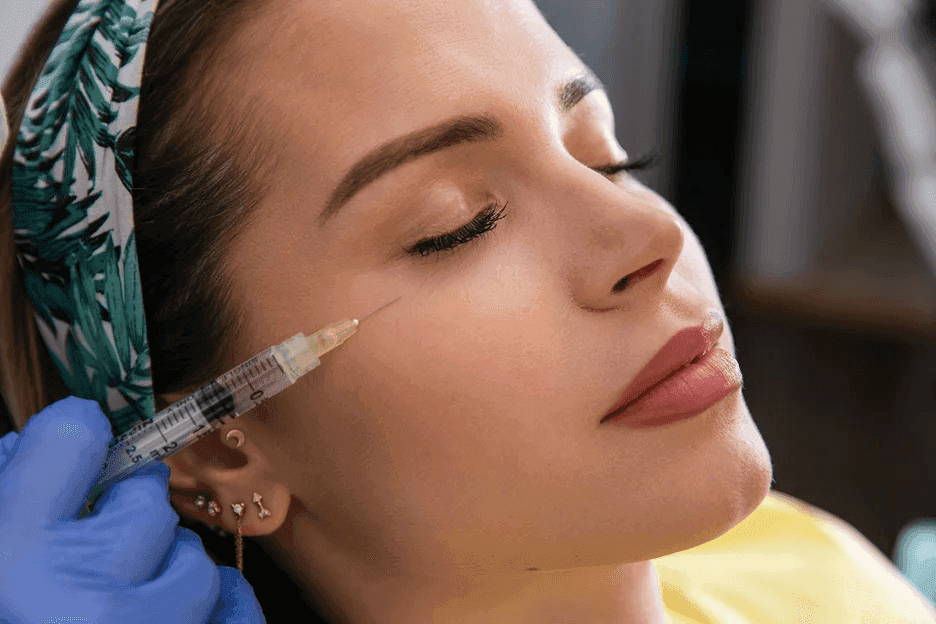
Many clinics use PDRN as a mesotherapy style injection course. Small volumes are placed in the dermis across scarred zones. Sessions often run every 2 to 4 weeks, for several visits.
A common pattern is:
- Map the scarred area with clear zones.
- Use a fine needle for micro bolus deposits.
- Combine with gentle microneedling in the same visit.
This approach aims to bathe fibroblasts in PDRN, so they shift into a more active, more ordered repair mode. Results are often gradual. Patients report softer edges on scars, less dryness, and some improvement in tone and texture over a few months.
Clinics that focus heavily on injection work may want to cross reference general guidance from PDRN training and certification courses to standardize technique and consent.
Combined With Microneedling Or RF Needling
Microneedling creates micro channels that can carry actives into the upper dermis. Several centers now apply PDRN during or right after needling, so it moves into these fresh channels.
The benefits are twofold:
- Needling breaks up scar bands and triggers new collagen.
- PDRN supports organized repair and reduces excess redness.
Clinics must manage expectations. A useful article on PDRN and microneedling results notes that changes in texture are steady but not instant, and that patients often need several rounds for clear change.
With Lasers, Peels, And Energy Devices
Lasers and deep peels remain core tools for severe scars, but they carry risk of pigment change, especially in darker skin types. PDRN can help reduce this risk by calming inflammation and supporting barrier repair.
Protocols differ, but many clinics:
- Stop strong irritants several days before procedures.
- Start PDRN injections or topical courses in the healing phase.
Some also pair PDRN with pigment focused plans, such as those used for melasma and dark spots. The article on PDRN and hyperpigmentation protocols offers ideas that can be adapted for post inflammatory marks after acne.
Advanced combination protocols are covered in detail in the guide on combining PDRN with lasers and microneedling.
Where PDRN Fits In Active Acne Programs
For active acne, PDRN is used as a support, not a first line drug. It can help in these groups:
- Patients on strong topical regimens who struggle with barrier damage.
- Patients with long lasting redness after each breakout.
- Patients starting scar work while some acne remains.
A reasonable sequence looks like this:
- Stabilize active acne with standard medical therapy.
- Introduce PDRN for barrier support and redness control.
- Layer in scar focused procedures once flares are fewer.
Clinics should avoid framing PDRN as a cure for breakouts. Current data supports its role in repair and modulation, not direct oil control or antibacterial action. A review on aesthetic uses of PDRN stressed its value for anti aging and wound repair, not primary acne clearance.3
Delivery Forms: Injections, Topicals, And Devices
PDRN appears in many forms, including injectable vials, creams, serums, and mask products. Not all forms are equal.
Injectable PDRN has the clearest data for deep dermal change, since it reaches fibroblasts directly. Topical PDRN faces a penetration barrier, although modern formulas can help. An in depth review on PDRN absorption and topical bioavailability explains how molecule size, carriers, and device support affect real delivery.
Clinics often combine:
- Injection courses for core remodeling.
- Topical PDRN between visits for comfort and mild support.
Topical only plans may help mild texture issues or post acne dryness, but they should not be sold as equal to injection based scar programs.
Safety, Limits, And Patient Selection
PDRN has a strong safety record in dermatology and wound care, with low rates of serious reactions reported in reviews.1 That said, proper screening and consent are still critical.
Ideal candidates for PDRN supported scar work include:
- Patients with stable or well controlled acne.
- Patients who accept gradual, multi step repair.
- Patients ready to combine PDRN with mechanical or energy tools.
Clinics should be cautious in patients with:
- Active skin infections.
- Known allergy to salmon or product components.
- Unrealistic hopes for full scar erasure.
It also helps to frame PDRN as one tool in a full plan, not a magic fix. An overview of PDRN across aging, sun damage, and hands in the article on PDRN and sun damage repair makes this point clearly. The same logic applies to scars and acne.
Practical Tips For Clinics Adding PDRN
Clinics that want to add PDRN to acne and scar services can follow a simple path.
- Start with a clear indication list for PDRN supported care.
- Train staff on injection depth, spacing, and aftercare.
- Set conservative expectations with clear photo timelines.
A useful internal checklist might include:
- Define which scar types will be treated with PDRN support.
- Decide when to use injections, when to use topicals.
- Map how PDRN fits with lasers, peels, and fillers.
- Update consent forms with clear benefit and limit statements.
Clinics that already run advanced filler or biostimulant services can adapt many of those workflows to PDRN. The article on combining PDRN with fillers safely shows how careful planning reduces risk when multiple injectables are used.
Quality control matters greatly. The guide on PDRN sourcing and ingredient quality explains how fragment size and purity affect outcomes.
Final Thoughts: Where PDRN Truly Adds Value
PDRN will not replace lasers, subcision, or acne drugs. It does something different. It improves the quality of healing in skin that has been under stress for years. For acne scars, that often means softer edges, better texture, and a more even, less angry look over time.
Clinics that see the best results treat PDRN as a repair amplifier. They pair it with solid acne control, well planned scar procedures, and clear, honest communication about speed of change. For many patients, that mix is far more effective than repeating the same procedure alone and hoping for a new outcome.
As research continues, more direct acne scar trials will likely appear. For now, the wound healing data, the aesthetic repair reviews, and real world clinic reports already support a clear role for PDRN in scar revision and acne treatment. Used with care and clear plans, it can raise the ceiling on what is possible for damaged skin that has been stuck for far too long.
Footnotes
-
Galeano M, et al. Polydeoxyribonucleotide: A Promising Biological Platform to Accelerate Impaired Skin Wound Healing. ↩ ↩2
-
Polydeoxyribonucleotides derived from salmon: Potential aesthetic applications and mechanisms of action. International Journal of Dental and Medical Sciences Research, 2023. ↩ ↩2
-
da Silva SJ, Cé R. Therapeutic Potential of Polydeoxyribonucleotide (PDRN) in Dermatology and Aesthetic Medicine: Molecular Mechanisms and Anti Aging Applications. ↩ ↩2
-
Journal of Skin and Stem Cell Research Center reports on PDRN in skin repair: Journal of Skin and Stem Cell article on PDRN and wound repair. ↩