

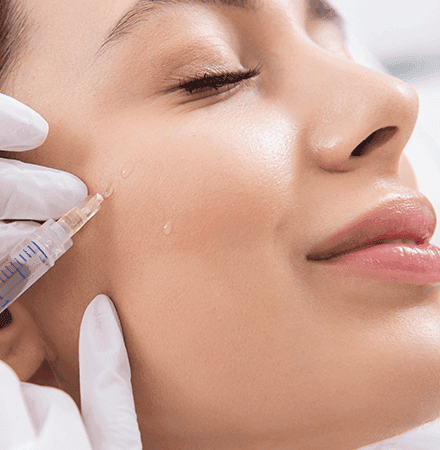
Most PDRN products on the market are better at marketing than results. That is the uncomfortable truth many clinics discover after a few disappointing trials and a stack of glossy brochures.
A small group of PDRN brands do stand out. They use higher quality raw material, clearer science, and more honest claims. Those brands give more stable results across skin types and treatment areas. This article reviews five of those better options and explains how each one fits into real practice.
PDRN, or polydeoxyribonucleotide, is already covered in detail in the core education content on this site. Readers who need a full science refresher can refer to the guide on what PDRN is and how it works. This article focuses on something more practical: which brands actually perform and how they differ.
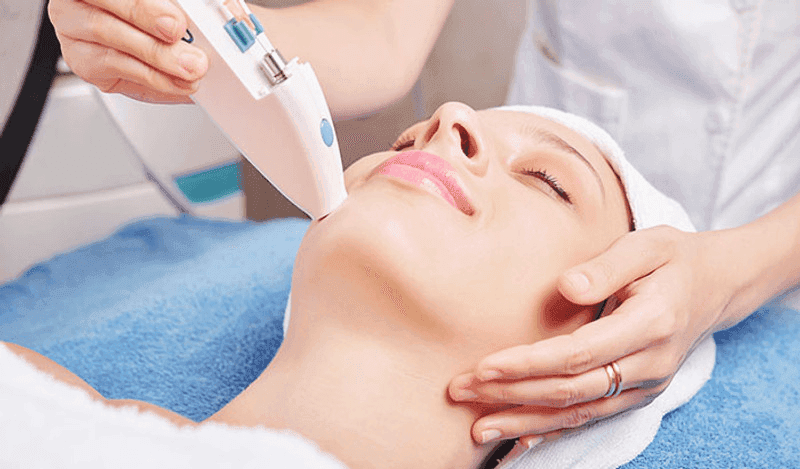
How this PDRN brand review was structured
This review prioritizes three main points. First, clinical and real world performance for common use cases such as fine lines, sun damage, and post procedure healing. Second, formulation quality, including PDRN purity, supporting ingredients, and clear labeling. Third, safety and regulatory clarity, which is often neglected in beauty marketing.
PDRN products cover many forms. Clinics use injectable skin boosters and mesotherapy vials. Consumers reach for creams, serums, and masks. The brands in this review were chosen because they show consistent feedback across both clinical and consumer use, not only in early hype cycles.
For readers who want to understand how study data supports real results, the article on PDRN efficacy and clinical data offers useful context. It explains why some products perform better than others even when the label strength looks similar.
1. Rejuran: The reference PDRN brand for injectables
Rejuran is often treated as the reference point when experts talk about injectable PDRN. Many training courses use it as the base example for protocol design and patient selection.
Rejuran products usually contain high purity salmon derived PDRN in a transparent gel. Clinics value the predictable rheology and stable injection feel. The line is widely used for fine lines, texture, and overall skin quality in the face and neck.
Why Rejuran performs well in practice
Clinics that favor Rejuran often mention two specific benefits. First, results are steady across many age groups when protocols are followed carefully. Second, downtime is relatively mild compared with more aggressive bio stimulators.
The science background is similar to other quality PDRN lines, but Rejuran pairs this with clear injection guidance and training support. For professionals, that support matters more than a small difference in concentration on paper.
The article on PDRN in aesthetic medicine explains how PDRN fits into modern treatment planning beside fillers, toxin, and energy devices. Rejuran is the brand most often used as the example in that type of planning.
Best use cases for Rejuran
Rejuran is often selected for patients with early to moderate photoaging. It can be combined with toxin and light laser work in structured protocols. It is also common in Asian markets for acne scars and texture work on the cheeks.
Rejuran is rarely the cheapest option. Clinics that use it successfully treat it as a core bio stimulator, not an entry offer. Patients who understand that positioning usually accept realistic treatment plans more easily.

2. Pluryal and similar PN boosters: The PDRN cousin worth noting
Some brands work with polynucleotides (PN) rather than classic PDRN. These products are close cousins that share many mechanisms. Clinics often compare them directly when building a bio stimulator menu.
A clear explanation of the differences between PDRN and PN is given in this external guide on PDRN versus PN skin boosters. It highlights how both categories support tissue repair and collagen renewal through nucleic acid fragments.
Where PN based brands stand out
PN based boosters, including lines like Pluryal, often focus on very controlled molecular weight and strong anti inflammatory effects. Clinics that treat sensitive or reactive skin may prefer these products in certain cases.
Experts who handle many cases of post inflammatory pigmentation or barrier disruption often report that PN formulas feel gentler in early sessions. That can be valuable when patients are nervous after a bad peel or aggressive laser experience.
For those who work heavily with combination treatments, the guide on combining PDRN with fillers safely is important reading. PN and PDRN boosters follow similar safety logic in these settings.
3. Dermax PDRN: Clear technical positioning for professionals
Dermax is more visible on the supplier side than in public consumer marketing. The company publishes clear technical notes on its PDRN and PN lines, which many professionals appreciate.
A useful starting point is the company article on PDRN injection versus general salmon DNA injections. It explains how true PDRN meets specific molecular weight and purity standards, not just any fish DNA content.
Why Dermax gets attention from clinics
Professionals often look for three things in a supplier, consistent quality, reliable documentation, and rational pricing. Dermax positions its PDRN injections as medical devices with clear composition data. This gives clinics a level of confidence that is sometimes missing from lower tier import brands.
Dermax products are usually used as part of mesotherapy or skin booster protocols. Practitioners who already have solid injection technique can integrate them with limited learning curve. Those who need more help should refer to structured resources such as the guide on PDRN injection techniques for practitioners.
Some clinics report that Dermax performs slightly better for thicker or more photodamaged skin, where a firmer bio stimulator profile feels appropriate. For very fine under eye work, other brands may be preferred.
4. PDRN creams: Topical brands that actually justify the claims
Topical PDRN products are often over sold. Many creams contain very low levels of nucleotides or use vague DNA complex wording. A smaller set of brands treat PDRN as a serious active with clear concentration and support ingredients.
A detailed external review of the best PDRN creams of 2025 shows that most top rated options combine PDRN with barrier support ingredients such as ceramides or peptides. That pairing matters because topical PDRN still has to deal with limited skin penetration.
Clinics that offer retail support often use topical PDRN as part of aftercare following injectables, lasers, or microneedling. The goal is not to replace injectable boosters, but to support healing and reduce redness while longer term collagen changes develop.
The article on PDRN absorption and topical bioavailability explains why delivery systems such as liposomes or nano emulsions can make a real difference. Products that invest in that type of technology tend to justify their higher price.
How to judge a topical PDRN brand
Clinics and informed consumers can use a simple checklist when selecting topical products:
- Clear listing of PDRN or related nucleotides in the ingredient list, not vague DNA phrases
- Realistic claims about results and timelines, especially for wrinkles and scars
- Supporting ingredients that match the use case, such as niacinamide for brightening or madecassoside for calming
- Packaging that protects sensitive ingredients from light and air
Brands that pass this test tend to provide steady support in recovery plans. Those that fail it usually deliver pleasant textures with limited active benefit.
Topical PDRN is especially useful in protocols for dullness and tone issues. The guide on PDRN for skin brightening describes how nucleotides can support more even tone when paired with sunscreen and pigment control agents.
5. PDRN serums: K beauty driven options for home support
PDRN serums have grown rapidly in K beauty circles. Many Korean brands combine PDRN with familiar hydrating and calming agents such as hyaluronic acid, panthenol, and centella.
An external test panel review of top PDRN serums for 2025 notes that these products are often used by consumers who want faster barrier repair and glow, not aggressive peeling. Experts who consult on K beauty trends often see PDRN serums as a modern upgrade to basic hydrating serums.
Serums usually contain lower concentrations of PDRN than injectables, but they still play a useful role between clinic visits. They help maintain hydration and support repair in a way that fits daily routines.
Where PDRN serums fit into real treatment plans
Serums are often positioned as maintenance products after structured clinic work. A typical pattern might look like this:
- Clinic based PDRN or PN skin booster series over several months.
- Gentle topical PDRN cream during the main healing phase after each session.
- Ongoing PDRN serum use on non procedure days to support barrier strength.
This sequence respects the different strengths of each form. Injectables handle deeper stimulation. Creams and serums support surface repair and comfort.
For patients focused on sun damage and fine lines, the guide on PDRN for photoaging and sun damage shows how clinic work, home care, and sunscreen must fit together. Serums are only one part of that larger plan.
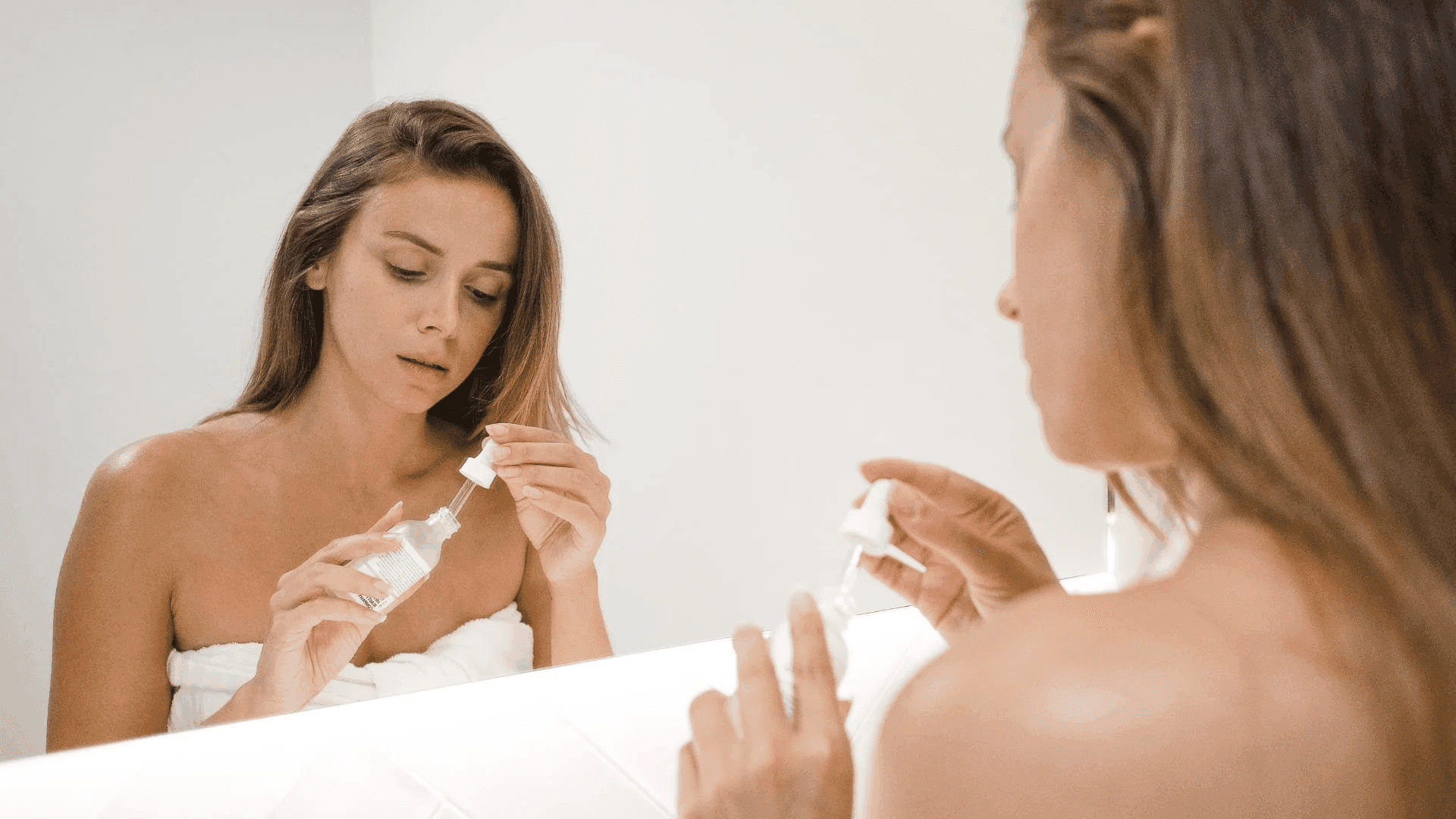
When evaluating topical PDRN products for home use, quality formulations with proven concentration can offer meaningful benefits:
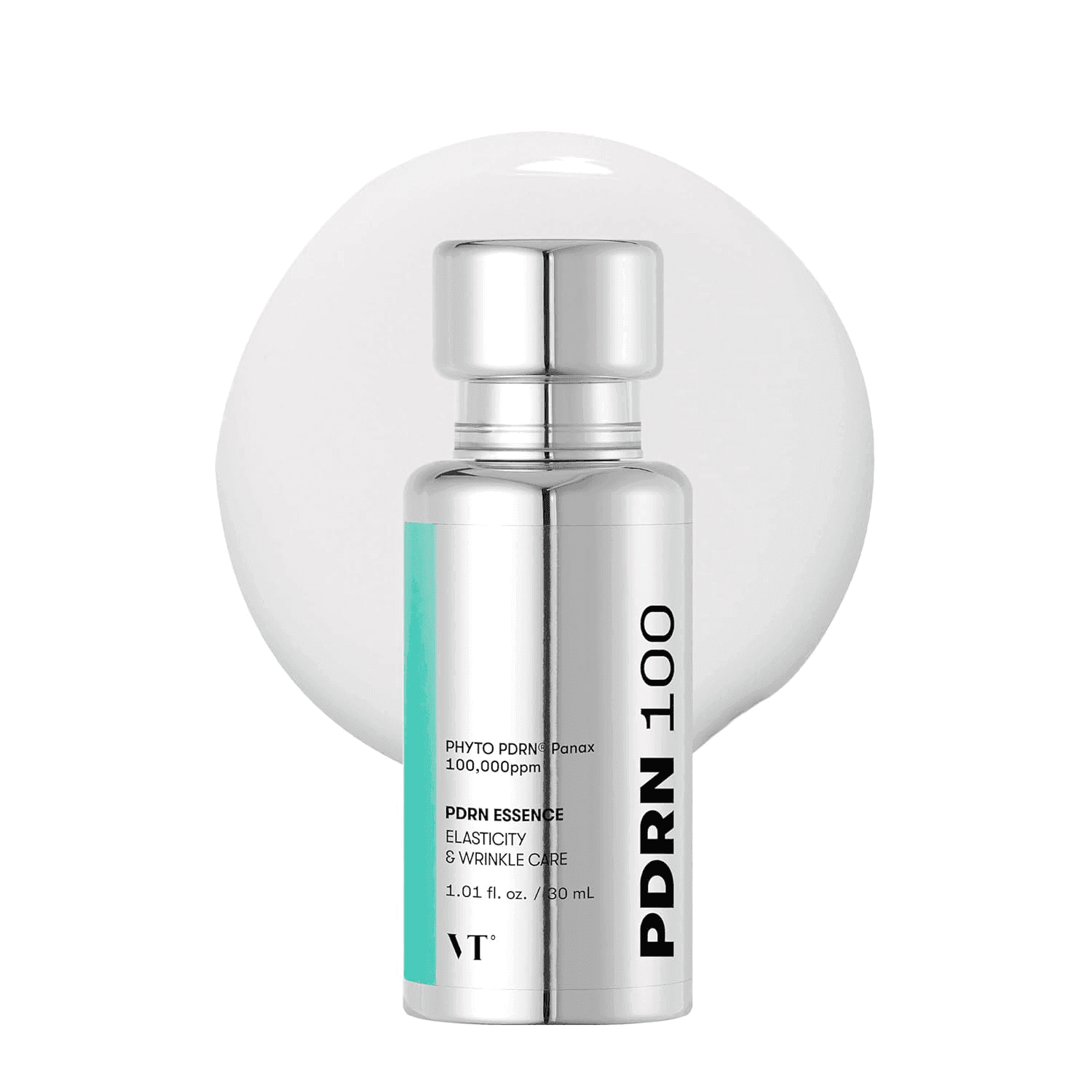
🛒 Shop This Product: Click the image above to view VT COSMETICS PDRN 100 Essence on Amazon
PDRN creams versus injectable boosters: Honest comparison
Many patients see PDRN marketed in both cream jars and injection vials and assume they are interchangeable. They are not. A clinical review from a Singapore clinic on PDRN creams versus PN skin boosters highlights a key point. Topicals are mainly for surface comfort and mild tone support. Injectables are for deeper structural change.
Clinics that position topical PDRN as a full alternative to injectables often create unrealistic expectations. Patients then judge the ingredient as a failure instead of understanding that the delivery method was the limiting factor.
The article on PDRN aftercare and result protection offers clear guidance on how to layer topical products with clinic treatments. That type of education keeps satisfaction higher and reduces refund conversations.
Brand selection tips for clinics and advanced users
The best PDRN brand is rarely the one with the loudest social media presence. It is the one that fits the clinic’s protocols, patient mix, and risk tolerance. A busy city clinic that treats heavy sun damage needs a different primary booster than a boutique practice that focuses on sensitive skin.
Professionals can narrow choices with a short checklist.
- Check regulatory status in the region and confirm the intended use class.
- Review molecular weight and concentration data where available.
- Assess training support, sample protocols, and complication guidance.
- Look for realistic claims that match current PDRN science.
Readers who want a structured path into this field can review the guide on PDRN training and certification options. Training that is tied to specific brands can be helpful, but clinics should keep a clear view of commercial bias.
For home users, the safest path is usually to work with a clinic that already understands PDRN and can recommend a matching topical product. Self directed import of injectable PDRN from unverified sources carries clear risks with purity and dosing.
Final thoughts on choosing the right PDRN brand
PDRN is not magic. It is a well studied regenerative ingredient with clear benefits for healing, collagen support, and inflammation control when used correctly. The wrong brand or delivery choice can hide that potential behind irritation, poor results, or wasted cost.
Rejuran remains the reference for many injectable protocols. PN based boosters such as those described in technical guides give strong options for sensitive or complex cases. Supplier focused lines like Dermax appeal to clinics that value clear documentation. Quality creams and serums provide meaningful support when used around serious clinic work.
The most important decision is not which brand has the best slogan. It is how each product fits into a coherent treatment plan that respects biology, regulation, and patient goals. Clinics and serious skincare users who approach PDRN with that mindset usually see steady, believable improvements instead of hype driven disappointment.