

PDRN does not replace human DNA. It guides damaged tissue so it can repair itself. That simple fact is often missed in marketing claims around PDRN skincare and injectables.
PDRN, short for polydeoxyribonucleotide, is built from purified salmon DNA. It supports repair in injured skin, tendons, and other tissue. Clinical reviews show that PDRN improves healing in several models of injury, not just cosmetic cases, which gives this ingredient real scientific weight.
This article explains how PDRN interacts with cells, how it supports DNA repair, and what that means for real world treatments.
What PDRN Actually Is
PDRN is a mix of DNA fragments. These chains are cut to a specific size range so the body can process them with less immune reaction. The source is usually salmon sperm, because the DNA is stable and easy to purify.
When PDRN enters tissue, local enzymes cut it into smaller pieces. Those pieces include nucleosides and nucleotides, which are the building blocks of DNA and RNA. Cells can reuse these units when they need to repair damaged genetic material.
For readers who need a full science overview, a broader summary of PDRN structure and uses is covered in the guide on what PDRN is and how it works.
A2A Receptors: The Real Switch For Repair
The most important effect of PDRN is not as a raw material. The key effect is signaling. When PDRN breaks down, it raises local levels of adenosine, a small molecule that acts like a signal switch.
Adenosine binds to receptors on cell surfaces. The main target for PDRN activity is the A2A receptor. These receptors sit on many cell types that are active in repair, such as fibroblasts, endothelial cells, and some immune cells.
A 2017 mini review in Frontiers in Pharmacology notes that PDRN, through A2A receptor activation, supports tissue repair, new vessel growth, and reduced inflammation in different models of injury, including skin and bone.

Once A2A receptors are activated, several repair programs switch on at the same time. Fibroblasts produce more collagen and other matrix proteins. Endothelial cells form new capillaries in damaged tissue. Inflammatory signals shift toward a more controlled pattern.
None of this is magic. It is a controlled reaction to a well known receptor signal.
DNA Repair Support, Not DNA Replacement
Many PDRN claims suggest that salmon DNA somehow merges with human DNA. That idea is not supported by current evidence and does not match basic genetics.
Instead, PDRN supports DNA repair in three main ways.
1. Supplying building blocks for repair
Cells under stress need extra nucleotides to fix damaged DNA. During UV exposure, for example, skin cells must correct many base changes and breaks.
As PDRN is broken down, it releases nucleotides into the local area. Cells can use these units to repair DNA strands more easily, instead of building every part from scratch. This can support faster and more accurate repair in tissue that already has active damage.
2. Improving the repair setting
DNA repair does not happen in isolation. Cells repair better when they have enough oxygen, stable blood flow, and controlled inflammation.
A2A receptor activation by PDRN supports all three conditions. New vessels bring oxygen and nutrients to the damaged zone. Collagen and matrix proteins rebuild a healthy support grid. Some harsh inflammatory signals are dialed down.
This is why clinicians see improved healing in ulcers and chronic wounds that are slow to close. PDRN does not fix DNA on its own. It creates a healthier setting where repair is less blocked.
3. Supporting cell survival under stress
Cells with very severe DNA damage often undergo planned death. That can protect the tissue from mutations, but it also slows repair.
By activating A2A receptors, PDRN can support survival signals in moderately damaged cells. These cells keep working, repair their DNA, and help rebuild tissue.
What This Means For Skin And Aesthetic Use
For aesthetic medicine, the DNA repair mechanism of PDRN matters in several clear ways.
First, it helps explain why PDRN is useful in photoaged skin. UV light damages DNA directly and also harms the collagen network. By feeding nucleotides and activating A2A receptors, PDRN supports both genetic repair and matrix rebuilding. Readers can see this interaction applied to sun damage in more detail in the article on PDRN and photoaging repair.
Second, it helps set expectations. PDRN works with the normal repair cycle. It does not freeze time. It supports healthier renewal in tissue that is already trying to repair itself. Results will be more clear in skin with active damage or poor healing, not in already perfect tissue.
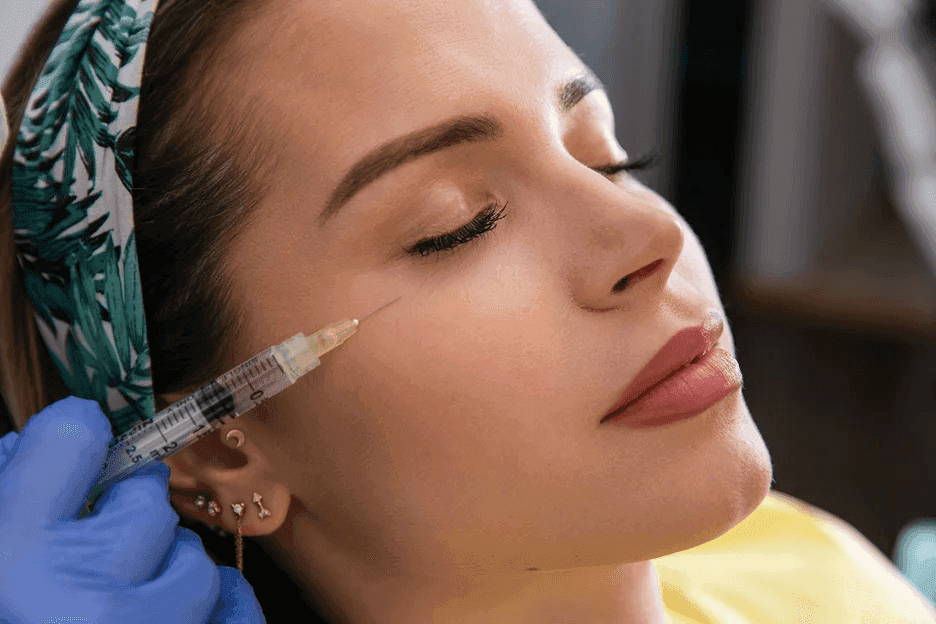
Third, it guides treatment plans. Since PDRN supports DNA repair under stress, it often makes sense near controlled injury methods, such as microneedling or certain energy devices, as long as safety and timing are respected.
Where PDRN Fits In The Repair Timeline
PDRN is not a one stage treatment. It touches several steps in the repair timeline.
Acute phase
Right after injury, inflammation clears debris and starts clotting. PDRN at this point can help prevent the response from becoming too harsh. It can start early A2A signaling and support early cell survival.
Proliferation phase
This is the stage where fibroblasts make new collagen, and new vessels form. PDRN is especially active here. A2A activation encourages fibroblasts to produce more matrix. Endothelial cells grow new capillaries into the area. Keratinocytes at the surface close gaps in the skin.
Remodeling phase
In this later stage, tissue gains strength and structure. Collagen fibers align and cross link. PDRN at this point continues to support a healthy matrix and may help reduce the chance of weak, poorly organized scar tissue, though this effect is still under study.
Practical Limits And Misconceptions
A realistic view of the DNA repair mechanism is important. PDRN is helpful, but it has limits.
It cannot correct deep genetic disorders. It cannot turn back decades of damage in a single course. It depends on living cells that can still respond to signals.
Marketing often skips these points. From a clinical point of view, the best results come when PDRN is part of a broader plan that also addresses sun protection, lifestyle, and other treatments. The overview on PDRN in aesthetic medicine practice discusses how clinics integrate PDRN with other tools.
PDRN is also not all the same. Purity, fragment size, and delivery method matter for both safety and effect. Readers who want detail on how topical products absorb can review the discussion on PDRN absorption and bioavailability, which explains how much actually reaches target tissue.
How This Mechanism Shapes Treatment Choices
For professionals, the DNA repair mechanism of PDRN should shape when and how it is used. A few practical points follow.
PDRN is most rational in tissue that has active or recent damage. Courses may need repetition to match the natural time of remodeling. Combination with other methods works best when they trigger controlled injury, not uncontrolled inflammation.
Some clinics pair PDRN with fillers or microneedling. The key idea is simple. The filler or device handles structure or controlled damage. PDRN supports the biology that must follow. When PDRN is treated as a signal and support tool, protocols tend to be more thoughtful and safer.
For those comparing data across studies, the detailed review of PDRN efficacy and clinical evidence is useful, as it sets the repair claims against actual trial outcomes.
Closing Thoughts
PDRN is not a miracle molecule. It is a well studied source of DNA fragments that can both feed and signal repair. Through A2A receptor activation and nucleotide supply, it supports DNA repair, tissue survival, and structured remodeling.
For skincare users, this means PDRN is most useful for stressed or damaged skin, not as a simple “anti aging” label. For clinicians, it means PDRN should be placed where biology needs support, especially around controlled injury and chronic damage.
Used with realistic goals and a clear grasp of its DNA repair mechanism, PDRN can be a valuable tool in both medical and aesthetic practice, rather than just another buzzword on a product label.